Type 1 diabetes is an autoimmune condition where the immune system destroys the insulin-producing beta cells in the pancreas. It accounts for around 8% of all diabetes cases and can be diagnosed at any age.
People with type 1 diabetes need insulin replacement for life — this is non-negotiable. Modern insulin pumps, continuous glucose monitors (CGMs), and hybrid closed-loop systems are making day-to-day management increasingly automated.
What you’ll find in our type 1 articles
- Diagnosis: blood tests, antibodies, C-peptide
- Insulin regimens and pump therapy
- CGM technology and time-in-range targets
- Hypoglycaemia and DKA prevention
- Living with type 1 — work, sport, pregnancy
Latest articles on Type 1 Diabetes
Yoga For Diabetes: how exercise affects blood glucose, the right intensity and duration for diabetes, and how to fit activity
Yoga For Diabetes: how exercise affects blood glucose, the right intensity and duration for diabetes, and how to fit activity
Broccoli and cheese pancake: a diabetes-friendly recipe with low net carbs, simple ingredients, and step-by-step instructions. Reviewed against current.
Broccoli and cheese pancake: a diabetes-friendly recipe with low net carbs, simple ingredients, and step-by-step instructions. Reviewed against current.
What to do before a doctor or healthcare professional visit: evidence-based guidance reviewed against current NICE and ADA recommendations. Practical.
What to do before a doctor or healthcare professional visit: evidence-based guidance reviewed against current NICE and ADA recommendations. Practical.
How to diagnose diabetes mellitus?: evidence-based guidance reviewed against current NICE and ADA recommendations. Practical, plain-language information for.
How to diagnose diabetes mellitus?: evidence-based guidance reviewed against current NICE and ADA recommendations. Practical, plain-language information for.
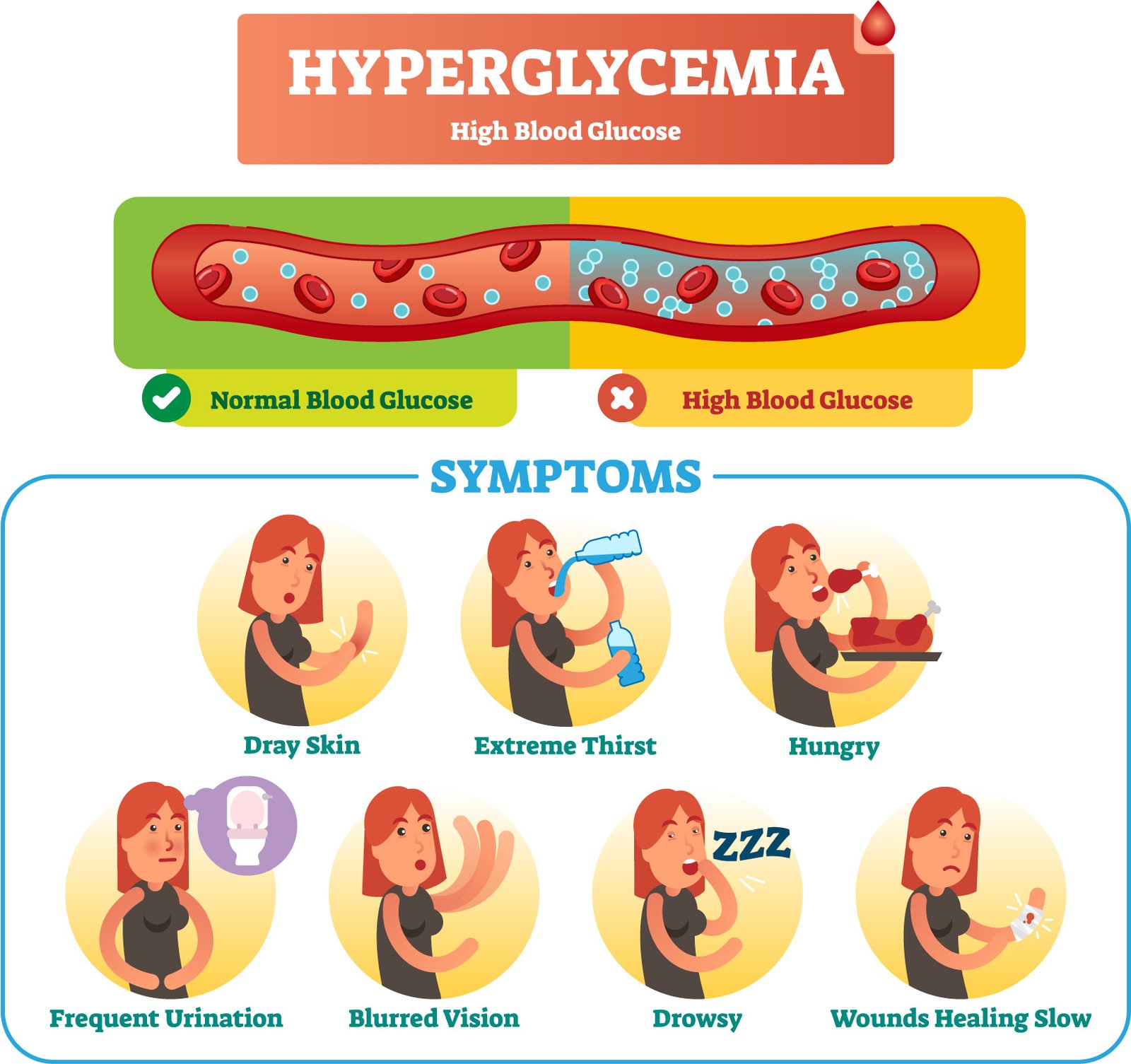
What are the symptoms of high blood glucose?: evidence-based guidance reviewed against current NICE and ADA recommendations. Practical, plain-language.
What are the symptoms of high blood glucose?: evidence-based guidance reviewed against current NICE and ADA recommendations. Practical, plain-language.




 English
  Arabic
  Spanish
  Urdu
Urdu