"> "> blood sugar Archives - Living Diabetes

Hydration and Diabetes: How Much Water is Key for Kidneys?

See also: Diabetes Complications: Heart, Kidney, Eye, and Foot Health — our complete pillar guide.

We often hear about the importance of staying hydrated, but for people with diabetes, it plays a particularly crucial role in both blood sugar management and kidney health. Let’s explore how much water you really need.

Hydration’s Dual Role in Diabetes

  1. Blood Sugar Concentration: When you are dehydrated, the volume of blood in your body decreases. This means the glucose in your bloodstream becomes more concentrated, leading to higher blood sugar readings. Staying well-hydrated helps maintain normal blood volume and can help stabilize glucose levels.
  2. Kidney Function: Water is essential for the kidneys to do their job of filtering waste products from the blood and excreting them in urine. Good hydration helps the kidneys function efficiently and can help prevent the formation of kidney stones. When blood sugars are high, the kidneys work to flush out the excess glucose, a process that requires a lot of water and can lead to dehydration if fluid intake is not sufficient.

A General Guideline: While individual needs vary, a common recommendation is to aim for 8-10 glasses (about 2-2.5 litres) of water per day. You may need more if you are active, live in a hot climate, or are experiencing high blood sugars.

Signs of Dehydration

Don’t wait until you feel thirsty. Thirst is a sign that you are already on your way to being dehydrated. Other signs include:

  • Dark yellow urine
  • Feeling tired or sluggish
  • Headaches
  • Dry mouth
  • Unexplained high blood sugars

What Counts Towards Hydration?

While plain water is best, other fluids can contribute to your daily intake. However, some are better choices than others.

  • Good Choices: Unsweetened tea, sparkling water, herbal teas, and skim milk.
  • Limit or Avoid: Sugary drinks like soda, fruit juice, and sweet tea will raise your blood sugar. While diet sodas don’t contain sugar, they are not a healthy choice for overall wellness. Caffeinated beverages can have a mild diuretic effect.

A Note for Advanced Kidney Disease: In the very late stages of kidney disease or for those on dialysis, fluid intake may need to be restricted. If you have been diagnosed with stage 4 or 5 CKD, always follow the specific fluid recommendations provided by your nephrologist or renal dietitian.

Key Takeaway

Adequate hydration is a simple but powerful tool for managing blood sugar and supporting kidney health. Aim for 8-10 glasses of water per day, and listen to your body’s signals. Making water your primary beverage is a cornerstone of good diabetes and kidney care.


Related articles

How High Blood Sugar Harms Your Kidneys

See also: Diabetes Complications: Heart, Kidney, Eye, and Foot Health — our complete pillar guide.

Your kidneys are among the hardest-working organs in your body, filtering around 200 litres of blood every single day. For people with diabetes, persistently high blood sugar is the single greatest threat to these remarkable filters. Understanding exactly how this damage occurs is the first step in preventing it.

The Kidneys: Your Body’s Filtration System

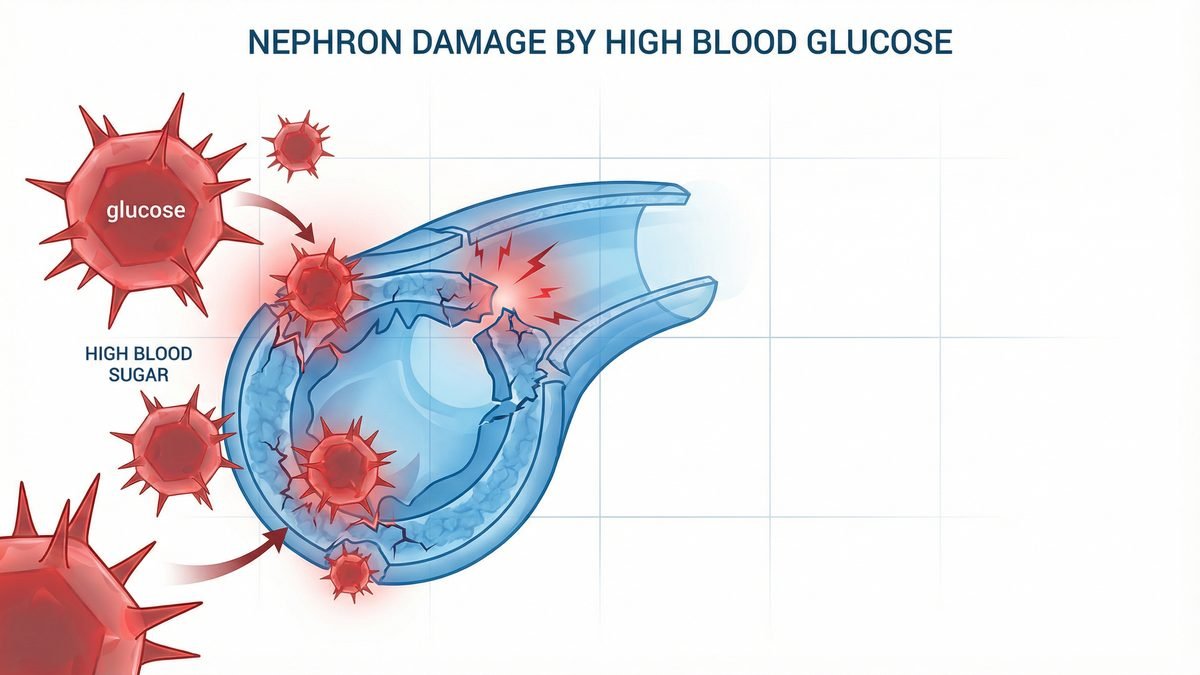
Each kidney contains approximately one million tiny filtering units called nephrons. At the heart of each nephron sits a microscopic cluster of blood vessels called the glomerulus. Blood is pushed through these vessels under pressure, and the glomerulus acts as a sieve, allowing waste products and excess fluid to pass through while retaining proteins and blood cells.

This elegant system works flawlessly under normal conditions. But when blood glucose is persistently elevated, a cascade of damaging processes begins to unfold within these delicate structures.

The Mechanisms of Kidney Damage

High blood sugar damages the kidneys through several interconnected pathways. The first and most immediate is hyperfiltration. When glucose levels are elevated, the kidneys attempt to compensate by increasing blood flow and filtration pressure. This extra workload, sustained over months and years, physically stretches and damages the glomerular walls.

Simultaneously, excess glucose undergoes a chemical reaction with proteins throughout the body in a process called glycation. The resulting compounds, known as advanced glycation end-products (AGEs), accumulate in the kidney’s basement membrane, thickening and stiffening the filtration barrier. Over time, this thickening impairs the kidney’s ability to filter effectively.

High blood sugar also triggers oxidative stress and chronic inflammation within kidney tissue. Free radicals damage the cells lining the nephrons, while inflammatory signals cause scarring (fibrosis) that progressively replaces healthy tissue with non-functional scar tissue.

⚠️ The Silent Nature of Kidney Damage
The kidneys have significant reserve capacity. By the time symptoms appear, up to 90% of kidney function may already be lost. This is why regular monitoring through urine albumin and eGFR tests is so critical — damage can be detected and halted long before symptoms develop.

The Stages of Diabetic Kidney Disease

Diabetic kidney disease (diabetic nephropathy) progresses through five recognised stages, defined by the estimated glomerular filtration rate (eGFR) — a measure of how efficiently the kidneys are filtering blood.

StageeGFR (mL/min)Description
1>90Normal function; kidney damage present but filtration intact
260–89Mildly reduced function; often no symptoms
330–59Moderately reduced function; fatigue and fluid retention may appear
415–29Severely reduced function; preparation for kidney replacement therapy begins
5<15Kidney failure; dialysis or transplant required

The Role of Blood Pressure

High blood sugar rarely acts alone. Hypertension is both a consequence and an accelerant of diabetic kidney disease. As the kidneys become damaged, they lose their ability to regulate blood pressure effectively, creating a vicious cycle. Elevated blood pressure increases the physical stress on glomerular walls, accelerating the damage that high glucose has already initiated.

This is why blood pressure control is considered equally important to glucose management in protecting kidney health. Guidelines recommend a target blood pressure below 130/80 mmHg for most people with diabetes and kidney disease.

What You Can Do to Protect Your Kidneys

The evidence for prevention and slowing progression is compelling. The most powerful interventions are:

  • Optimise blood glucose control: Every 1% reduction in HbA1c reduces the risk of microvascular complications, including kidney disease, by approximately 37%.
  • Control blood pressure rigorously: ACE inhibitors and ARBs are the preferred agents as they have direct kidney-protective effects beyond blood pressure lowering.
  • Use kidney-protective medications: SGLT2 inhibitors (empagliflozin, dapagliflozin, canagliflozin) and finerenone have demonstrated significant reductions in kidney disease progression in clinical trials.
  • Reduce dietary protein if advised: In advanced kidney disease, a modest reduction in protein intake can reduce the filtration burden on damaged nephrons.
  • Attend regular kidney function monitoring: Annual urine albumin-to-creatinine ratio (UACR) and eGFR testing allows early detection and intervention.
✅ Key Takeaway
High blood sugar damages the kidneys through hyperfiltration, glycation, oxidative stress, and inflammation. The damage is silent and progressive, but it is also largely preventable. Tight glucose control, blood pressure management, and kidney-protective medications can dramatically slow or halt the progression of diabetic kidney disease. Annual kidney function tests are non-negotiable.

Related articles

The Mediterranean Diet and Diabetes: Why It Remains the Gold Standard

See also: Diabetes Diet: Mediterranean, Low-Carb, Keto and Plant-Based — our complete pillar guide.

Of all the dietary patterns studied in people with diabetes, the Mediterranean diet consistently emerges as one of the most effective for blood sugar control, cardiovascular protection, and long-term weight management. It is not a restrictive diet — it is a sustainable way of eating that has been followed by millions of people for thousands of years. Here is why it works, and how to adopt it.

What Is the Mediterranean Diet?

The Mediterranean diet is characterised by high consumption of vegetables, legumes, whole grains, fruits, nuts, and olive oil; moderate consumption of fish, poultry, and dairy; and low consumption of red meat and processed foods. Wine is consumed in moderation with meals in the traditional pattern, though this is not a necessary component.

It is not a calorie-counting diet. The focus is on food quality and pattern rather than restriction. This makes it one of the most sustainable dietary approaches for long-term adherence.

The Evidence for Diabetes Management

The evidence base for the Mediterranean diet in diabetes is extensive. The landmark PREDIMED trial (Prevención con Dieta Mediterránea) demonstrated that a Mediterranean diet supplemented with extra-virgin olive oil or nuts reduced major cardiovascular events by approximately 30% compared to a low-fat diet in people at high cardiovascular risk — many of whom had type 2 diabetes.

Multiple meta-analyses have shown that the Mediterranean diet reduces HbA1c by 0.3–0.5%, improves fasting glucose, reduces insulin resistance, lowers LDL cholesterol, raises HDL cholesterol, reduces triglycerides, and promotes modest but sustained weight loss.

Mediterranean Diet vs Other Dietary Approaches

DietHbA1c ReductionCVD RiskSustainability
Mediterranean0.3–0.5%↓ 30% (PREDIMED)⭐⭐⭐⭐⭐
Low-carbohydrate0.5–1.0%Variable⭐⭐⭐
DASH0.2–0.4%↓ BP significantly⭐⭐⭐⭐
Plant-based0.4–0.7%↓ significantly⭐⭐⭐

Practical Steps to Start Eating Mediterranean

✅ Simple Swaps to Get Started
  • Replace butter with extra-virgin olive oil for cooking and dressing
  • Eat fish at least twice a week — especially oily fish like salmon, sardines, or mackerel
  • Make vegetables the centrepiece of every meal, not the side dish
  • Snack on nuts and olives instead of crisps or biscuits
  • Replace white bread and pasta with wholegrain versions
  • Add legumes (lentils, chickpeas, beans) to at least 3 meals per week
  • Use herbs and spices generously — they add flavour without salt or sugar
💡 Key Takeaway

The Mediterranean diet is not a fad — it is the most evidence-based dietary pattern for people with diabetes who want to protect their heart, improve their blood sugar, and eat in a way they can sustain for life. Start with simple swaps: olive oil instead of butter, fish twice a week, more vegetables and legumes, and fewer processed foods. Small changes, consistently applied, produce lasting results.

5 Salmon Recipes That Are Perfect for Your Heart and Blood Sugar

See also: Diabetes Diet: Mediterranean, Low-Carb, Keto and Plant-Based — our complete pillar guide.

Salmon is one of the most nutritionally valuable foods for people with diabetes and cardiovascular risk. Rich in EPA and DHA omega-3 fatty acids, high-quality protein, and vitamin D, it simultaneously lowers triglycerides, reduces inflammation, supports blood pressure management, and has minimal impact on blood glucose. These five recipes make it easy to enjoy salmon at least twice a week.

🐟 Diabetes-Friendly Highlights
  • Rich in EPA and DHA omega-3s — lowers triglycerides by 15–30%
  • High-quality complete protein — promotes satiety and preserves muscle mass
  • Zero carbohydrates — no direct blood glucose impact
  • Rich in vitamin D — deficiency is associated with insulin resistance
  • Contains astaxanthin — a potent antioxidant with anti-inflammatory properties

Recipe 1: Lemon and Herb Baked Salmon

Serves: 2 | Prep: 5 min | Cook: 15 min | Carbs per serving: ~2g

Ingredients: 2 salmon fillets (150g each); 1 lemon (zested and juiced); 2 garlic cloves (minced); 1 tbsp olive oil; fresh dill and parsley; salt and pepper.

Method: Preheat oven to 200°C. Place salmon on a lined baking tray. Mix olive oil, lemon juice, zest, garlic, and herbs; spoon over fillets. Bake for 12–15 minutes until cooked through. Serve with steamed broccoli and cauliflower rice.

Nutrition per serving: 320 kcal | 34g protein | 18g fat | 2g carbohydrate

Recipe 2: Teriyaki Salmon with Edamame Rice

Serves: 2 | Prep: 10 min | Cook: 15 min | Carbs per serving: ~28g

Ingredients: 2 salmon fillets; 2 tbsp low-sodium soy sauce; 1 tbsp mirin; 1 tsp sesame oil; 1 tsp grated ginger; 150g brown rice (cooked); 100g edamame; spring onions and sesame seeds to garnish.

Method: Mix soy sauce, mirin, sesame oil, and ginger. Marinate salmon for 10 minutes. Pan-fry or grill for 3–4 minutes each side. Serve over brown rice mixed with edamame, garnished with spring onions and sesame seeds.

Nutrition per serving: 480 kcal | 42g protein | 16g fat | 28g carbohydrate

Recipe 3: Mediterranean Salmon Traybake

Serves: 2 | Prep: 10 min | Cook: 25 min | Carbs per serving: ~18g

Ingredients: 2 salmon fillets; 1 courgette (sliced); 1 red pepper (sliced); 200g cherry tomatoes; 1 red onion (quartered); 2 tbsp olive oil; 1 tsp dried oregano; 50g olives; 30g feta cheese.

Method: Preheat oven to 200°C. Toss vegetables with olive oil and oregano; spread on a large baking tray. Nestle salmon fillets among the vegetables. Roast for 20–25 minutes. Top with olives and crumbled feta before serving.

Nutrition per serving: 420 kcal | 36g protein | 24g fat | 18g carbohydrate

Recipe 4: Smoked Salmon and Avocado Breakfast Bowl

Serves: 1 | Prep: 5 min | Cook: 0 min | Carbs per serving: ~8g

Ingredients: 100g smoked salmon; ½ avocado (sliced); 2 poached eggs; handful of rocket; 1 tbsp capers; lemon juice; black pepper.

Method: Arrange rocket on a plate. Top with smoked salmon, avocado slices, and poached eggs. Scatter capers, squeeze lemon juice, and season with black pepper. Serve immediately.

Nutrition per serving: 380 kcal | 32g protein | 26g fat | 8g carbohydrate

Recipe 5: Thai-Style Salmon Fishcakes

Serves: 2 | Prep: 15 min | Cook: 10 min | Carbs per serving: ~12g

Ingredients: 300g fresh salmon (skinless); 1 tbsp red curry paste; 1 egg; 2 spring onions (chopped); 1 tbsp fish sauce; handful of coriander; 1 tbsp coconut oil for frying; lime wedges to serve.

Method: Pulse salmon in a food processor until roughly minced. Mix with curry paste, egg, spring onions, fish sauce, and coriander. Shape into 6 patties. Fry in coconut oil for 3–4 minutes each side until golden. Serve with a fresh cucumber salad and lime wedges.

Nutrition per serving: 340 kcal | 38g protein | 18g fat | 12g carbohydrate

💡 Key Takeaway

Aim to eat fatty fish like salmon at least twice a week. The combination of omega-3 fatty acids, high-quality protein, and zero carbohydrates makes it one of the best foods for simultaneous heart protection and blood sugar management. These five recipes prove that eating well for your diabetes and your heart does not have to be complicated or boring.


Related articles

Alcohol and Heart Health with Diabetes: What You Need to Know

Alcohol and diabetes have a complicated relationship. Moderate consumption may offer some cardiovascular benefits, yet alcohol can cause dangerous hypoglycaemia, interact with diabetes medications, and contribute to weight gain and elevated triglycerides. Understanding the risks and making informed choices is essential for anyone managing diabetes who chooses to drink.

How Alcohol Affects Blood Glucose

The liver plays a central role in both alcohol metabolism and blood glucose regulation. When alcohol is consumed, the liver prioritises metabolising ethanol over its normal glucose-producing functions (gluconeogenesis and glycogenolysis). This means that for several hours after drinking, the liver’s ability to release glucose into the bloodstream is impaired — creating a significant risk of hypoglycaemia, particularly in people taking insulin or sulfonylureas.

This risk is compounded by the fact that hypoglycaemia symptoms (confusion, dizziness, slurred speech) can easily be mistaken for intoxication — both by the person themselves and by bystanders. This is why wearing a medical ID and informing companions about diabetes is particularly important when drinking.

⚠️ Alcohol and Hypoglycaemia Risk
  • Hypoglycaemia can occur up to 12–24 hours after drinking
  • Never drink on an empty stomach — always eat carbohydrates with alcohol
  • Check blood glucose before bed after drinking; have a carbohydrate snack if below 7 mmol/L
  • Set an alarm to check glucose during the night if you have consumed significant alcohol
  • Glucagon may be less effective when alcohol is present — ensure companions know this

Cardiovascular Effects: The Evidence

The relationship between alcohol and cardiovascular health has been extensively debated. Observational studies have suggested a J-shaped curve: moderate drinkers (1–2 units per day) appear to have lower rates of coronary heart disease than non-drinkers, potentially due to alcohol’s effects on HDL cholesterol and platelet aggregation. However, more recent Mendelian randomisation studies — which are less susceptible to confounding — suggest that even moderate alcohol consumption increases overall cardiovascular risk, particularly for atrial fibrillation, hypertension, and haemorrhagic stroke.

The current consensus from major cardiovascular organisations is that there is no safe level of alcohol consumption from a purely cardiovascular perspective. If you do not currently drink, there is no cardiovascular justification to start.

Practical Guidelines for Drinking with Diabetes

GuidelineRecommendation
Maximum intakeNo more than 14 units per week (UK); spread over 3+ days
Best choicesDry wine, spirits (with sugar-free mixers); avoid sugary cocktails and beer
Always eatNever drink on an empty stomach; eat carbohydrates with alcohol
Monitor glucoseCheck before, during (if prolonged), and before bed; set overnight alarm
Wear medical IDEnsures correct treatment if hypo is mistaken for intoxication
💡 Key Takeaway

Alcohol can be consumed in moderation by most people with diabetes, but it requires careful management. The primary risks are hypoglycaemia (particularly delayed, overnight hypos) and elevated triglycerides. Always eat when drinking, monitor glucose carefully, and keep within recommended limits. If you take insulin or sulfonylureas, discuss alcohol management specifically with your diabetes team.


Related articles

Heart-Healthy Snacks for Diabetes: 15 Options That Protect Your Blood Sugar and Heart

See also: Diabetes Diet: Mediterranean, Low-Carb, Keto and Plant-Based — our complete pillar guide.

Snacking with diabetes requires a dual focus: keeping blood glucose stable while also protecting cardiovascular health. The good news is that the snacks best suited to blood sugar management — those high in protein, healthy fats, and fibre — are also the ones with the strongest evidence for cardiovascular protection.

What Makes a Snack Heart-Healthy and Diabetes-Friendly?

The ideal snack for someone with diabetes and cardiovascular risk should: have a low glycaemic index (to avoid blood sugar spikes); contain protein and/or healthy fat (to slow glucose absorption and promote satiety); be low in sodium (to support blood pressure management); and be free from trans fats and refined sugars (which drive inflammation and LDL elevation).

15 Best Heart-Healthy Snacks for Diabetes

SnackKey BenefitsApproximate Carbs
Small handful of almonds (30g)Lowers LDL; high in magnesium and vitamin E~6g
Greek yoghurt (plain, full-fat, 150g)High protein; probiotics support gut health~6g
Avocado on rye crispbread (2 pieces)Monounsaturated fats; fibre; potassium~15g
Sardines on wholegrain crackersOmega-3s; calcium; high protein~12g
Celery with almond butter (2 tbsp)Very low carb; healthy fats; satisfying~7g
Hard-boiled eggs (2)High protein; virtually zero carbs; choline~1g
Hummus (3 tbsp) with vegetable sticksLegume-based; fibre; plant protein~12g
Walnuts (30g)ALA omega-3; reduces LDL; anti-inflammatory~4g
Cottage cheese (100g) with cucumberHigh protein; low fat; low carb~4g
Apple slices with peanut butter (1 tbsp)Fibre slows glucose absorption; satisfying~20g
Edamame (100g, shelled)Complete plant protein; fibre; low GI~8g
Dark chocolate (85%+, 2 squares)Flavonoids reduce blood pressure; low sugar~5g
Smoked salmon roll-ups (with cream cheese)Omega-3s; zero carbs; high protein~1g
Chia pudding (made with unsweetened almond milk)Omega-3s; fibre; slow glucose release~12g
Roasted chickpeas (30g)Fibre; plant protein; lower GI than crisps~15g
💡 Key Takeaway

The best snacks for diabetes and heart health share common features: protein and/or healthy fat to slow glucose absorption, fibre for satiety and cholesterol reduction, and minimal refined carbohydrates. Building a repertoire of 5–6 go-to snacks makes it far easier to make good choices consistently, even when time is short or hunger strikes unexpectedly.


Related articles

Stress and Blood Sugar: Understanding the Cortisol Connection

Stress is not just a psychological experience — it has direct, measurable effects on blood glucose. For people with diabetes, chronic psychological stress can undermine even the most diligent management efforts, causing unexplained glucose spikes and making targets harder to achieve. Understanding the cortisol connection is essential for comprehensive diabetes care.

How Stress Raises Blood Glucose

When the brain perceives a threat — whether physical (infection, injury) or psychological (work deadline, relationship conflict) — it activates the hypothalamic-pituitary-adrenal (HPA) axis and the sympathetic nervous system. This triggers the release of stress hormones: primarily cortisol and adrenaline (epinephrine).

These hormones evolved to prepare the body for “fight or flight” by rapidly mobilising energy. Cortisol stimulates hepatic glucose production (gluconeogenesis) and promotes glycogen breakdown (glycogenolysis). Adrenaline inhibits insulin secretion and promotes glucagon release. The net result is a rapid rise in blood glucose — useful in a genuine physical emergency, but problematic when triggered repeatedly by modern psychological stressors.

In people with type 2 diabetes, cortisol also worsens insulin resistance, meaning the glucose that is released cannot be efficiently cleared from the bloodstream. In type 1 diabetes, stress-induced glucose rises can be particularly unpredictable and difficult to manage with insulin adjustments alone.

⚠️ Signs That Stress Is Affecting Your Glucose
  • Unexplained glucose spikes during or after stressful periods
  • Higher fasting glucose during busy or anxious weeks
  • Difficulty hitting targets despite consistent diet and medication
  • CGM data showing elevated glucose during work hours or poor sleep nights

Evidence-Based Stress Reduction Strategies

Mindfulness-based stress reduction (MBSR): Multiple randomised controlled trials have demonstrated that MBSR programmes reduce HbA1c by 0.3–0.5% and significantly reduce diabetes distress. An 8-week MBSR programme is now recommended by several diabetes organisations as an adjunct to standard care.

Regular aerobic exercise: Exercise is one of the most effective stress-reduction interventions available. It reduces cortisol levels, increases endorphin production, improves sleep quality, and directly lowers blood glucose — making it doubly beneficial for people with diabetes.

Sleep optimisation: Poor sleep elevates cortisol and growth hormone, both of which raise blood glucose. Even a single night of sleep deprivation can increase insulin resistance by 25%. Prioritising 7–9 hours of quality sleep per night is a non-negotiable component of diabetes management.

Cognitive behavioural therapy (CBT): For those with significant diabetes distress, anxiety, or depression, CBT delivered by a trained psychologist has the strongest evidence base. Many diabetes centres now offer integrated psychological support as part of routine care.

✅ Daily Stress Management Practices
  • 10 minutes of diaphragmatic breathing or guided meditation daily
  • Regular physical activity — even a 20-minute walk significantly reduces cortisol
  • Consistent sleep schedule (same wake time every day, including weekends)
  • Limit caffeine after midday — it amplifies the cortisol stress response
  • Social connection — loneliness is a significant stressor; maintain meaningful relationships
  • Seek professional support if stress, anxiety, or diabetes distress is persistent
💡 Key Takeaway

Stress is a physiological phenomenon with direct effects on blood glucose. Managing psychological stress is not a “soft” add-on to diabetes care — it is a clinically important component of comprehensive management. If you notice unexplained glucose variability during stressful periods, discuss stress management strategies with your diabetes care team.


Related articles

Cardio Workouts That Won’t Cause Hypos: A Safe Exercise Guide for Diabetes

Exercise is one of the most powerful tools for managing diabetes and protecting cardiovascular health. Yet for many people with diabetes — particularly those on insulin or sulfonylureas — the fear of hypoglycaemia during or after exercise is a genuine barrier to physical activity. Understanding how different types of exercise affect blood glucose allows you to train safely and confidently.

How Exercise Affects Blood Glucose

The relationship between exercise and blood glucose is complex and depends on the type, intensity, and duration of activity. Aerobic exercise (moderate-intensity, sustained cardio) generally lowers blood glucose by increasing glucose uptake in muscle cells — an insulin-independent process mediated by GLUT4 transporters. This effect can persist for 24–48 hours after exercise, increasing the risk of delayed hypoglycaemia.

High-intensity interval training (HIIT) and resistance training can actually cause a transient rise in blood glucose due to the release of counter-regulatory hormones (adrenaline, cortisol, glucagon) that stimulate hepatic glucose production. This makes them potentially safer for those prone to exercise-induced hypoglycaemia.

The Safest Cardio Approaches for People with Diabetes

Exercise TypeGlucose EffectHypo RiskBest For
Brisk walkingGradual decreaseLow–moderateBeginners, daily activity
SwimmingGradual decreaseModerateJoint problems, all-body cardio
Cycling (steady)Gradual decreaseModerateCardiovascular fitness
HIITInitial rise, then fallLower during; higher afterTime-efficient, insulin users
Resistance trainingInitial riseLow during sessionMuscle preservation, insulin sensitivity
⚠️ Hypo Prevention Strategies
  • Check blood glucose before exercise: aim for 7–10 mmol/L (126–180 mg/dL) before starting
  • If below 5 mmol/L (90 mg/dL), have 15–30g of fast-acting carbohydrates before exercising
  • Reduce basal insulin by 20–50% for prolonged aerobic exercise (discuss with your team)
  • Carry fast-acting glucose (glucose tablets, gel) during every session
  • Check blood glucose after exercise and before bed — delayed hypos are common
  • Use a CGM if available — real-time glucose data transforms exercise safety

A Practical 4-Week Cardio Starter Plan

Week 1–2: 3 × 20-minute brisk walks per week. Check glucose before and after each session. Note your glucose response pattern.

Week 3–4: Increase to 4 × 30-minute sessions. Consider adding 5-minute HIIT intervals (30 seconds fast, 90 seconds recovery) to reduce hypo risk during longer sessions.

Ongoing: Work towards 150 minutes of moderate aerobic activity per week, as recommended by the ADA. Add 2 resistance training sessions per week for optimal metabolic benefit.

💡 Key Takeaway

Exercise is safe and highly beneficial for people with diabetes when approached with the right preparation. Understanding how different exercise types affect your blood glucose, checking levels before and after activity, and carrying fast-acting glucose are the foundations of safe exercise. Start gradually, monitor your response, and build confidence over time.


Related articles

Heart-Healthy Eating with Diabetes: A Practical Guide

When you have diabetes, every meal is an opportunity to protect both your blood sugar and your heart. The dietary patterns most effective for cardiovascular protection are largely the same ones that improve glucose control — making a heart-healthy diet one of the most powerful tools in your diabetes management arsenal.

The Two Evidence-Based Dietary Patterns

FeatureMediterranean DietDASH Diet
Primary fat sourceOlive oilLow-fat dairy, nuts
Protein emphasisFish, legumes, moderate poultryLean meats, fish, legumes
Sodium restrictionModerateStrict (<2,300 mg/day)
Best forOverall CV risk reduction, HbA1cBlood pressure reduction

What to Eat More Of

Fatty fish (2+ servings per week): Salmon, mackerel, sardines, and herring are rich in EPA and DHA omega-3 fatty acids, which reduce triglycerides, lower blood pressure, and reduce inflammation.

Non-starchy vegetables (half your plate): Leafy greens, broccoli, peppers, courgette, and tomatoes are low in carbohydrates, high in fibre, and packed with potassium and antioxidants.

Legumes (3–4 servings per week): Lentils, chickpeas, kidney beans, and black beans are high in soluble fibre, which lowers LDL cholesterol and slows glucose absorption.

Nuts and seeds (a small handful daily): Almonds, walnuts, chia seeds, and flaxseeds provide heart-healthy unsaturated fats, fibre, and magnesium.

Olive oil (as primary cooking fat): Extra-virgin olive oil is rich in oleocanthal, a natural anti-inflammatory compound. The PREDIMED trial demonstrated a 30% reduction in major cardiovascular events with a Mediterranean diet supplemented with extra-virgin olive oil.

⚠️ Foods to Limit
  • Saturated fats: Red meat, full-fat dairy, butter raise LDL cholesterol
  • Trans fats: Found in some processed foods; strongly linked to heart disease
  • Refined carbohydrates: White bread, white rice, pastries spike blood glucose
  • High-sodium foods: Processed meats, tinned soups raise blood pressure
  • Sugary drinks: Soft drinks, fruit juices drive glucose spikes and weight gain
✅ Simple Heart-Healthy Swaps
  • White rice → Quinoa, barley, or cauliflower rice
  • Butter → Extra-virgin olive oil or avocado
  • Red meat (daily) → Salmon or lentils (3–4×/week)
  • Crisps / biscuits → A small handful of almonds or walnuts
  • Sugary drinks → Sparkling water with lemon or herbal tea
💡 Key Takeaway

A heart-healthy diet for diabetes is not about deprivation — it is about making consistent, informed choices that protect both your blood sugar and your cardiovascular system. Focus on adding more of the right foods rather than simply restricting. Small, sustainable changes accumulate into significant long-term cardiovascular protection.


Related articles

Types of Diabetes: A Comprehensive Guide

Types of diabetes

Diabetes is a complex and widespread condition that affects millions of people worldwide. In its simplest form, diabetes is characterized by high levels of glucose in the blood, resulting from a problem with insulin production or utilization by the body. However, there are several different types of diabetes, each with its own unique causes, symptoms, and treatment options. [1]

In this article, we will explore the basics of diabetes, including an in-depth look at the different types of diabetes, their causes, and the latest treatments available.

Types of Diabetes

Type 1 Diabetes

Type 1 diabetes, also known as juvenile diabetes or insulin-dependent diabetes, is a form of diabetes that typically develops in childhood or early adulthood. In type 1 diabetes, the body’s immune system mistakenly attacks and destroys the cells in the pancreas that produce insulin. As a result, people with type 1 diabetes are unable to produce insulin, which is essential for regulating glucose levels in the blood. [2]

Symptoms of type 1 diabetes include:

  • Extreme thirst and hunger
  • Frequent urination
  • Fatigue and weakness
  • Blurred vision
  • Unintended weight loss

The exact cause of type 1 diabetes is unknown, but it is believed to be a combination of genetic and environmental factors. There is currently no cure for type 1 diabetes, and treatment typically involves daily injections of insulin to regulate glucose levels. [2]

Type 2 Diabetes

Type 2 diabetes, also known as adult-onset diabetes, is the most common form of diabetes. It is caused by a combination of insulin resistance and a decline in insulin production by the pancreas. In type 2 diabetes, the body becomes less sensitive to insulin and is unable to utilize it to regulate glucose levels in the blood effectively. [3]

Symptoms of type 2 diabetes include:

  • Asymptomatic at early stage
  • Frequent infections and slow-healing wounds
  • Increased thirst and urination
  • Blurred vision
  • Fatigue and weakness
  • Tingling or numbness in hands or feet

Type 2 diabetes is often associated with a sedentary lifestyle, a diet high in processed foods, and a family history of the condition. It can be managed with a combination of lifestyle changes, such as a healthier diet and increased physical activity, and medications. In some cases, people with type 2 diabetes may also need insulin injections to regulate their glucose levels. [3]

Gestational Diabetes

Gestational diabetes is a form of diabetes that develops during pregnancy. It is caused by hormonal changes and increased insulin resistance during pregnancy, which can cause glucose levels in the blood to become elevated. Symptoms of gestational diabetes include:

  • Increased thirst and urination
  • Fatigue and weakness
  • Blurred vision
  • Nausea and vomiting

Gestational diabetes typically resolves after pregnancy, but women who have had gestational diabetes are at increased risk of developing type 2 diabetes later in life. Treatment for gestational diabetes typically involves monitoring glucose levels, making dietary changes, and in some cases, taking insulin injections. [4]

Other Forms of Diabetes

There are several other forms of diabetes, including latent autoimmune diabetes in adults (LADA), cystic fibrosis-related diabetes, and monogenic diabetes. These forms of diabetes are relatively rare, but they can be equally as debilitating as type 1 or type 2 diabetes. Treatment for these forms of diabetes depends on the specific type and may involve lifestyle changes, medications, and insulin injections. [5]

Managing Diabetes: A Holistic Approach

Regardless of the type of diabetes, the most important aspect of managing the condition is maintaining a healthy lifestyle. This includes eating a balanced diet, engaging in regular physical activity, and monitoring glucose levels regularly. Additionally, people with diabetes should work closely with their healthcare provider to develop an individualized treatment plan that takes into account their specific needs and goals. [1]

In conclusion, diabetes is a complex and multifaceted condition that can take many different forms. By understanding the different types of diabetes, their causes, and the latest treatment options, people with diabetes can take control of their health and live full and productive lives.

FAQs on types of diabetes:

Q. Can diabetes be prevented?

A. Type 1 diabetes cannot be prevented, but type 2 diabetes can be prevented or delayed by maintaining a healthy lifestyle and reducing your risk factors. [3]

Q. What are the risk factors for diabetes?

A. The risk factors for diabetes include obesity, a sedentary lifestyle, a family history of diabetes, high blood pressure, and high cholesterol levels. [3]

Q. Can diabetes be cured?

A. There is no cure for diabetes, but it can be managed effectively with the right treatment and lifestyle changes. [1]


References and Further Reading

  1. National Institute of Diabetes and Digestive and Kidney Diseases. (n.d.). What Is Diabetes?
  2. Mayo Clinic. (2024, March 27). Type 1 diabetes.
  3. Centers for Disease Control and Prevention. (2024, May 15). Type 2 Diabetes.
  4. Centers for Disease Control and Prevention. (2024, May 15). Gestational Diabetes.
  5. National Institute of Diabetes and Digestive and Kidney Diseases. (n.d.). Other Types of Diabetes.