"> "> cardiovascular risk Archives - Living Diabetes

CGM Patterns That Predict Cardiovascular Risk: What Your Glucose Data Is Telling You

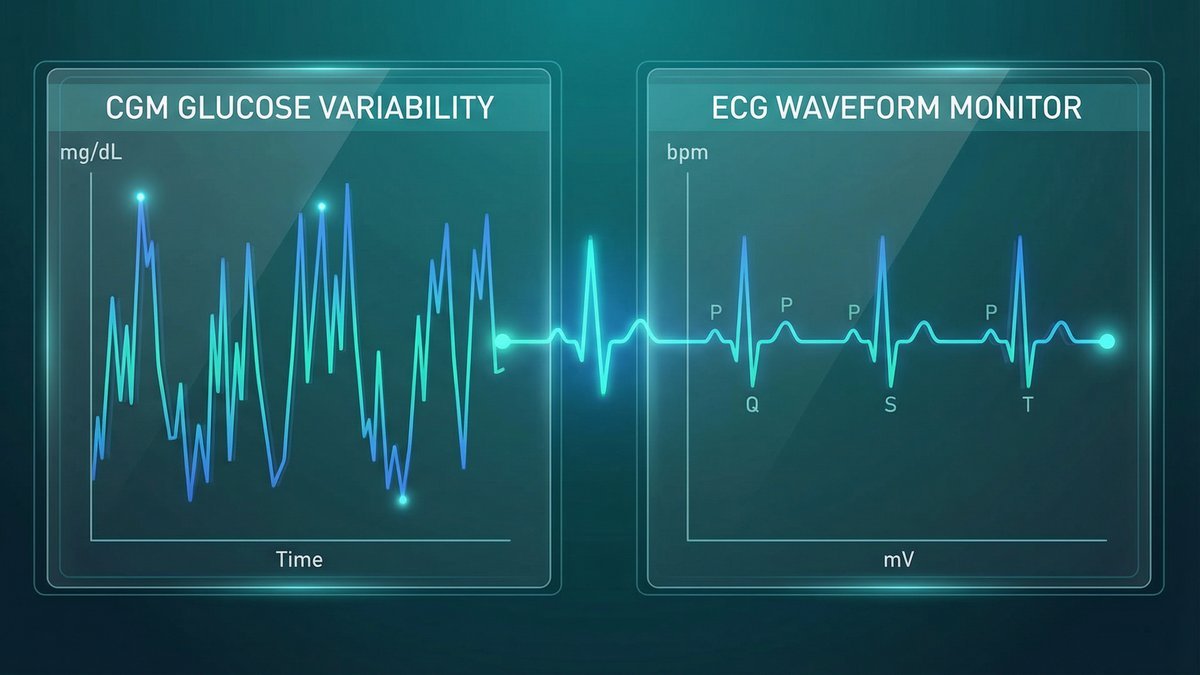
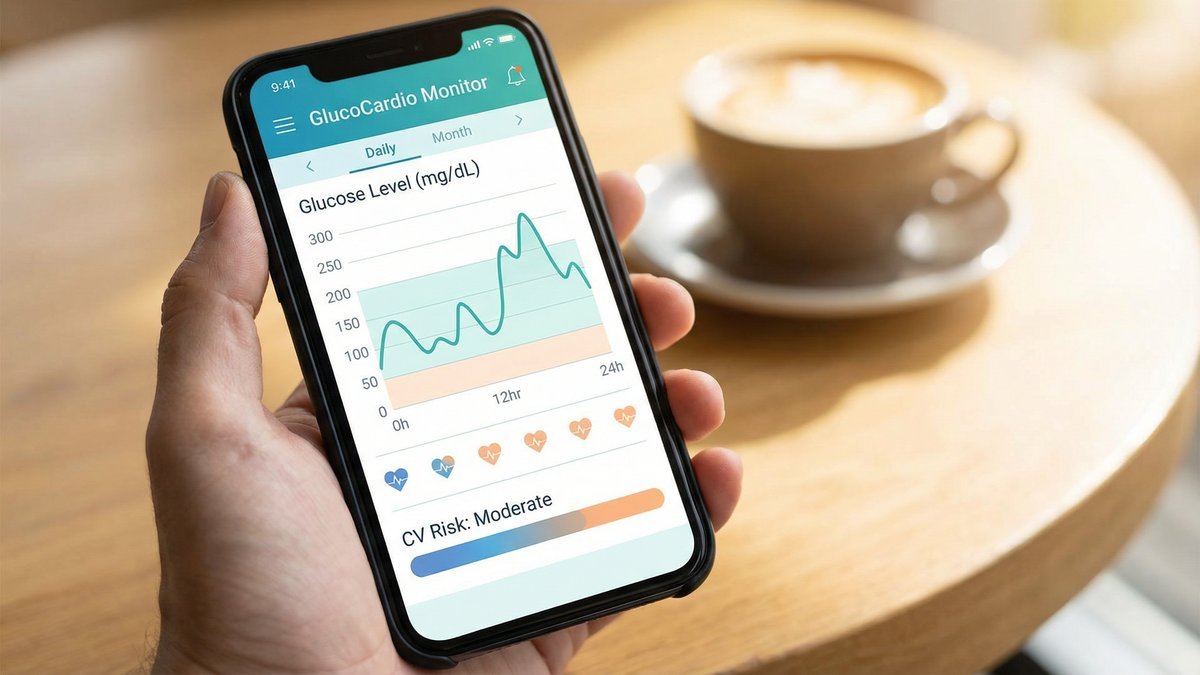
Your continuous glucose monitor does far more than track your blood sugar in real time. The patterns it reveals — the peaks, troughs, and variability between readings — are increasingly recognised as powerful predictors of cardiovascular risk. Understanding what your CGM data is telling you about your heart health could be one of the most important things you do this year.

Beyond HbA1c: Why Glucose Variability Matters

For decades, HbA1c was the primary metric used to assess long-term diabetes management. But HbA1c is an average — it tells you nothing about the peaks and troughs that occur throughout the day. Two people can have identical HbA1c values yet have very different glucose profiles, and very different cardiovascular risk.

Research has consistently shown that glucose variability — the degree to which blood sugar fluctuates throughout the day — is an independent predictor of cardiovascular events, even after controlling for average glucose levels. CGM technology has made it possible to measure this variability with unprecedented precision.

Key CGM Metrics and Their Cardiovascular Significance

CGM MetricWhat It MeasuresCardiovascular Link
Time in Range (TIR)% of time glucose 3.9–10.0 mmol/LEach 10% increase in TIR associated with reduced CVD risk markers
CV% (Coefficient of Variation)Measure of glucose variabilityCV% >36% independently predicts cardiovascular events
Time Above Range (TAR)% of time glucose >10.0 mmol/LLinked to endothelial dysfunction and oxidative stress
Time Below Range (TBR)% of time glucose <3.9 mmol/LHypoglycaemia triggers adrenaline surge, increasing cardiac arrhythmia risk
Mean Amplitude of Glycaemic Excursions (MAGE)Magnitude of glucose swingsHigh MAGE associated with increased carotid intima-media thickness

Post-Meal Spikes: The Hidden Cardiovascular Danger

Post-prandial glucose spikes — the sharp rise in blood sugar after eating — are particularly damaging to the cardiovascular system. Each spike triggers a cascade of harmful effects: oxidative stress (free radical production), endothelial dysfunction (damage to the inner lining of blood vessels), and pro-inflammatory cytokine release. Over time, these repeated insults accelerate atherosclerosis.

⚠️ Warning Sign

If your CGM regularly shows glucose spikes above 10 mmol/L after meals, this is not just a blood sugar problem — it is a cardiovascular risk factor that warrants urgent attention and discussion with your diabetes team.

Nocturnal Hypoglycaemia: A Silent Cardiac Threat

One of the most valuable capabilities of CGM is detecting nocturnal hypoglycaemia — low blood sugar episodes during sleep that would otherwise go unnoticed. These episodes are not merely uncomfortable; they trigger a powerful sympathoadrenal response (adrenaline release) that can cause cardiac arrhythmias, including QT prolongation and ventricular tachycardia. In people with pre-existing cardiovascular disease, nocturnal hypoglycaemia is a recognised cause of sudden cardiac death.

How to Use Your CGM Data to Protect Your Heart

Maximising your CGM’s cardiovascular protective potential requires moving beyond simply watching the number on the screen. Review your ambulatory glucose profile (AGP) report regularly — most CGM apps generate this automatically. Look for patterns of high variability, frequent post-meal spikes, and any nocturnal lows. Share these reports with your diabetes team at every appointment.

✅ Target CGM Metrics for Cardiovascular Protection
  • Time in Range (3.9–10.0 mmol/L): >70%
  • Time Above Range (>10.0 mmol/L): <25%
  • Time Below Range (<3.9 mmol/L): <4%
  • Coefficient of Variation (CV%): <36%
💡 Key Takeaway

Your CGM is a window into your cardiovascular health, not just your blood sugar. High glucose variability, frequent post-meal spikes, and nocturnal hypoglycaemia are all independent cardiovascular risk factors. Use your AGP report, aim for Time in Range above 70%, and discuss your CGM patterns with your diabetes team at every appointment.


Related articles

How CGM Data Can Reveal Your Cardiovascular Risk

Continuous glucose monitoring (CGM) has transformed diabetes management by providing real-time glucose data that finger-prick testing cannot match. Beyond its immediate utility for dosing decisions, emerging research suggests that CGM-derived metrics — particularly glucose variability — may be powerful predictors of cardiovascular risk, offering insights that HbA1c alone cannot provide.

Beyond HbA1c: Why Glucose Variability Matters

HbA1c reflects average blood glucose over approximately three months, but it tells us nothing about the peaks and troughs that occur throughout the day. Two people with identical HbA1c values of 7% can have very different glucose profiles: one may have consistently stable glucose in the 6–8 mmol/L range, while the other oscillates between 3 and 15 mmol/L multiple times daily.

Research increasingly shows that this glucose variability — independent of average glucose — is associated with oxidative stress, endothelial dysfunction, and cardiovascular events. Each glucose spike triggers a burst of reactive oxygen species that damages the arterial endothelium, promotes inflammation, and activates coagulation pathways. The cumulative effect of repeated glucose excursions may explain why some people with “well-controlled” HbA1c still develop cardiovascular complications.

Key CGM Metrics and Their Cardiovascular Significance

CGM MetricDefinitionTargetCV Significance
Time in Range (TIR)% time between 3.9–10 mmol/L>70%Higher TIR associated with lower CV risk markers
Coefficient of Variation (CV)Measure of glucose variability<36%High CV linked to oxidative stress and endothelial damage
Time Above Range (TAR)% time above 10 mmol/L<25%Post-meal spikes drive inflammation and arterial stiffness
Time Below Range (TBR)% time below 3.9 mmol/L<4%Hypoglycaemia triggers arrhythmias and sympathetic activation
✅ Using CGM Data to Protect Your Heart
  • Review your AGP (Ambulatory Glucose Profile) report with your diabetes team at each appointment
  • Identify patterns of post-meal spikes and work on meal composition to reduce them
  • Aim for Time in Range above 70% as a primary management target
  • Address nocturnal hypoglycaemia — it triggers cortisol and adrenaline surges that stress the heart
  • Use CGM data to optimise exercise timing and intensity for minimal glucose disruption
💡 Key Takeaway

CGM provides a window into glucose dynamics that HbA1c cannot. Glucose variability — the peaks and troughs throughout the day — is an emerging cardiovascular risk factor in its own right. Focusing on Time in Range, reducing post-meal spikes, and eliminating hypoglycaemia are strategies that benefit both short-term glucose management and long-term cardiovascular health.


Related articles

Cholesterol and Diabetes: Your Complete Guide to Diabetic Dyslipidaemia

Diabetes profoundly disrupts cholesterol metabolism in ways not always reflected in a standard cholesterol test. Even when total cholesterol appears normal, people with diabetes often have a particularly dangerous lipid profile — one that significantly accelerates cardiovascular disease. Understanding “diabetic dyslipidaemia” is essential for protecting your heart.

What Is Diabetic Dyslipidaemia?

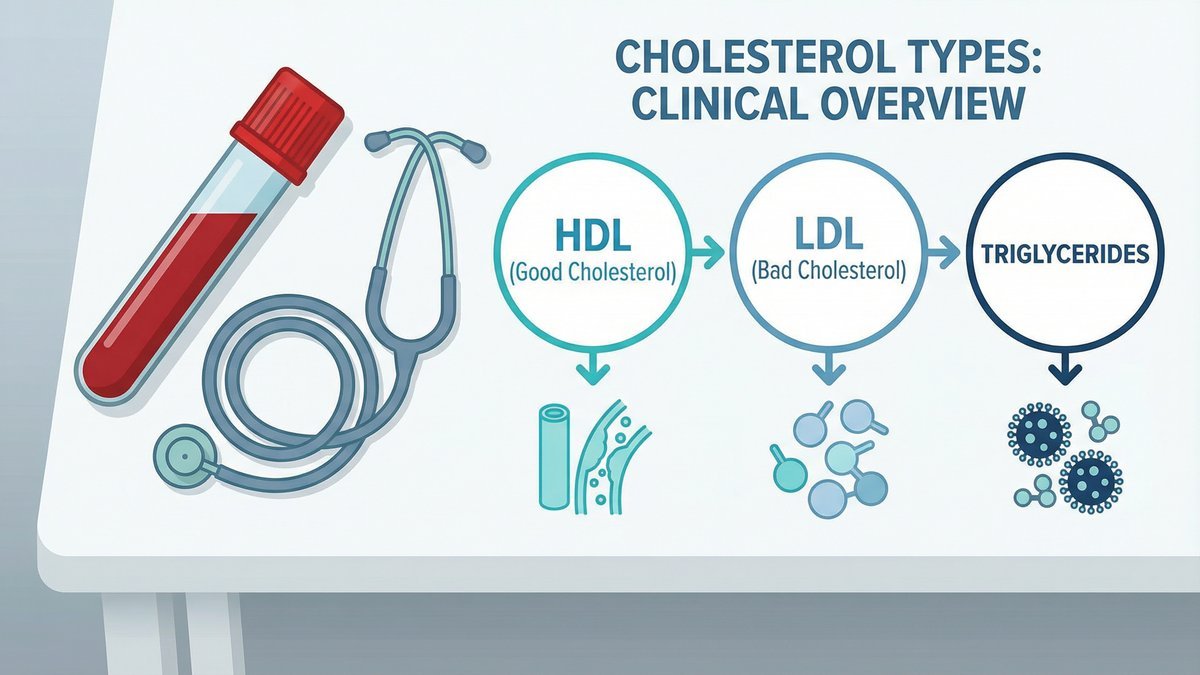
Diabetic dyslipidaemia is characterised by three hallmark features: elevated triglycerides, low HDL cholesterol, and the presence of small, dense LDL particles. This triad is far more atherogenic than elevated LDL alone. Insulin resistance impairs lipoprotein lipase, leading to elevated VLDL production and reduced HDL levels. The resulting small, dense LDL particles penetrate arterial walls more easily and are more susceptible to oxidation.

⚠️ Cholesterol Targets for People with Diabetes
Lipid ParameterHigh CV RiskVery High CV Risk
LDL Cholesterol<70 mg/dL<55 mg/dL
Triglycerides<150 mg/dL<150 mg/dL
HDL Cholesterol>40 mg/dL (men); >50 mg/dL (women)Higher is better

Statin Therapy: The Cornerstone of Treatment

Current ADA guidelines recommend statin therapy for all adults with diabetes aged 40–75 years, regardless of LDL level. Multiple large trials — including the Heart Protection Study and CARDS — have demonstrated that statin therapy reduces major cardiovascular events by 20–37% in people with diabetes. For those with established cardiovascular disease, high-intensity statin therapy (atorvastatin 40–80 mg or rosuvastatin 20–40 mg) is recommended.

✅ Dietary Changes That Improve Cholesterol
  • Replace saturated fats with unsaturated fats (olive oil, avocado, nuts)
  • Increase soluble fibre (oats, barley, legumes) — lowers LDL by 5–10%
  • Eat fatty fish 2× per week — lowers triglycerides by 15–30%
  • Reduce refined carbohydrates and sugary foods
  • Add plant sterols/stanols — lowers LDL by 7–10%
💡 Key Takeaway

Diabetic dyslipidaemia requires more than simply “lowering cholesterol.” Statin therapy is the cornerstone of treatment, but dietary changes, exercise, and additional medications may be needed to achieve optimal lipid targets. Ask your doctor for a full fasting lipid panel and discuss your individual cardiovascular risk at your next appointment.


Related articles

Blood Pressure Management with Diabetes: Your Complete Guide

Living with diabetes means paying attention to more than just blood sugar levels. Blood pressure management is equally crucial, as having both diabetes and high blood pressure can significantly increase your risk of heart disease, stroke, and kidney problems. The good news? With the right knowledge and tools, you can effectively manage both conditions and live a healthy, fulfilling life.

Understanding the Connection Between Diabetes and Blood Pressure

If you have diabetes, you’re twice as likely to have high blood pressure compared to people without diabetes. This isn’t just an unfortunate coincidence—the two conditions are intimately connected through several biological mechanisms.

Diabetes can damage your blood vessels and cause them to narrow, which naturally increases blood pressure. Additionally, insulin resistance (a hallmark of type 2 diabetes) affects how your body manages sodium and fluid balance, further contributing to elevated blood pressure. The combination of these conditions creates what doctors sometimes call a “perfect storm” for cardiovascular complications.

ℹ️ Did You Know?

About 2 in 3 people with diabetes report having high blood pressure or take prescription medications to lower their blood pressure. When these conditions occur together, they can more than double your risk of heart disease and stroke.

What Are the Target Blood Pressure Numbers for People with Diabetes?

Blood pressure readings consist of two numbers: systolic (the top number) and diastolic (the bottom number), measured in millimeters of mercury (mmHg). For most people with diabetes, healthcare providers recommend keeping blood pressure below 140/90 mmHg, though some guidelines suggest an even lower target of 130/80 mmHg.

Your personal target may vary based on your age, how long you’ve had diabetes, and whether you have other health conditions. It’s essential to discuss your specific goals with your healthcare provider rather than assuming a one-size-fits-all approach.

Blood Pressure Category Systolic (top number) Diastolic (bottom number)
Normal Less than 120 mmHg Less than 80 mmHg
Elevated 120-129 mmHg Less than 80 mmHg
Stage 1 Hypertension 130-139 mmHg 80-89 mmHg
Stage 2 Hypertension 140 mmHg or higher 90 mmHg or higher

Lifestyle Strategies for Managing Blood Pressure with Diabetes

The foundation of blood pressure management with diabetes starts with lifestyle modifications. These changes not only help control blood pressure but also improve your overall diabetes management and quality of life.

1. Embrace the DASH Diet

The Dietary Approaches to Stop Hypertension (DASH) eating plan has proven highly effective for lowering blood pressure. This diet emphasizes:

– Fruits and vegetables (8-10 servings daily)
– Whole grains instead of refined carbohydrates
– Lean proteins like fish, poultry, and plant-based sources
– Low-fat dairy products
– Limited added sugars and red meats

The DASH diet aligns well with diabetes nutritional recommendations, making it an excellent choice for managing both conditions simultaneously.

2. Reduce Sodium Intake

Excess sodium causes your body to retain fluid, which increases blood pressure. The American Diabetes Association recommends limiting sodium to 2,300 mg per day, though some people with hypertension may benefit from even lower levels (1,500 mg daily).

✅ Practical Tip

Read nutrition labels carefully. Hidden sodium lurks in processed foods, canned goods, condiments, and restaurant meals. Try flavoring foods with herbs, spices, citrus, and vinegar instead of salt. When cooking at home, reduce salt gradually—your taste buds will adapt over time!

3. Maintain a Healthy Weight

Excess weight makes your heart work harder to pump blood throughout your body. Even modest weight loss (5-10% of your current weight) can significantly improve blood pressure and insulin sensitivity. Focus on sustainable changes rather than crash diets for long-term success.

4. Stay Physically Active

Regular physical activity strengthens your heart, helps maintain healthy weight, reduces stress, and naturally lowers blood pressure. Aim for at least 150 minutes of moderate-intensity aerobic activity weekly (like brisk walking, swimming, or cycling), plus two or more days of strength training.

Always check with your healthcare provider before starting a new exercise routine, especially if you have diabetes complications like retinopathy or neuropathy. They can help you design a safe, effective program.

5. Limit Alcohol and Quit Smoking

Both alcohol and tobacco products can raise blood pressure. If you drink alcohol, do so in moderation (no more than one drink daily for women and two for men). If you smoke, quitting is one of the best things you can do for your cardiovascular health—and your diabetes management.

Monitoring Your Blood Pressure at Home

Home blood pressure monitoring empowers you to take control of your health and provides valuable information for your healthcare team. Here’s how to do it effectively:

Choosing a Monitor

Select an automatic, upper-arm cuff device that’s been validated for accuracy. Wrist and finger monitors are generally less reliable. Many insurance plans cover blood pressure monitors when prescribed by a physician, so check with your provider.

Proper Measurement Technique

For accurate readings:

– Rest quietly for at least 5 minutes before measuring
– Sit with your back supported and feet flat on the floor
– Position your arm at heart level on a table or armrest
– Place the cuff directly on bare skin, not over clothing
– Don’t talk during the measurement
– Take 2-3 readings, one minute apart, and record the average

When and How Often to Check

For most people, measuring at the same times each day (typically morning and evening) provides the most consistent data. Your healthcare provider may recommend a specific schedule based on your situation.

ℹ️ Did You Know?

Blood pressure naturally fluctuates throughout the day. It’s typically highest in the morning and lowest while sleeping. Keeping a log of your readings with dates, times, and any relevant circumstances (like feeling stressed or having just exercised) can help identify patterns and triggers.

Medication Management for Diabetes and Hypertension

Many people with diabetes will need medication to achieve their blood pressure goals, even with excellent lifestyle habits. This isn’t a failure—it’s simply recognizing the biological challenges of managing these interrelated conditions.

Common Blood Pressure Medications for People with Diabetes

Several classes of blood pressure medications work well for people with diabetes:

ACE inhibitors and ARBs: Often considered first-line treatments because they also help protect kidney function
Calcium channel blockers: Relax blood vessels and reduce heart workload
Diuretics: Help your body eliminate excess sodium and fluid
Beta-blockers: Reduce heart rate and the force of heart contractions

Your doctor will consider your specific health profile, potential side effects, and how medications might interact with your diabetes management when prescribing treatment.

Medication Tips and Considerations

To get the most benefit from your medications:

– Take them at the same time each day to maintain consistent levels
– Never stop taking blood pressure medication without consulting your doctor
– Report any side effects promptly rather than discontinuing medication
– Ask about medication timing relative to meals or other medications
– Use pill organizers or smartphone reminders if you have trouble remembering

✅ Practical Tip

Some blood pressure medications can affect blood sugar levels. For example, certain diuretics might raise blood glucose, while some beta-blockers can mask hypoglycemia symptoms. Monitor your blood sugar closely when starting or adjusting blood pressure medications, and discuss any concerns with your healthcare provider.

Working With Your Healthcare Team

Managing multiple health conditions requires a coordinated approach. Your healthcare team might include your primary care physician, endocrinologist, cardiologist, dietitian, certified diabetes educator, pharmacist, and other specialists.

Prepare for appointments by bringing your blood pressure and blood sugar logs, current medication list, and specific questions or concerns. Don’t hesitate to ask for clarification if something isn’t clear—you’re an essential partner in your healthcare decisions.

✅ Key Takeaway

Successfully managing blood pressure with diabetes requires a comprehensive approach that includes understanding your target numbers, adopting heart-healthy lifestyle habits, monitoring at home, taking medications as prescribed, and working closely with your healthcare team. While it might seem overwhelming at first, remember that each positive step you take helps protect your heart, kidneys, eyes, and overall health. You don’t have to make every change at once—start with what feels most manageable and build from there. With persistence and support, you can effectively manage both conditions and enjoy a healthy, active life.

Disclaimer: The information provided in this article is for educational purposes only and should not replace professional medical advice. Always consult with your healthcare team before making changes to your diabetes management plan.


Related articles

Diabetes and Heart Disease: Understanding Your Risk

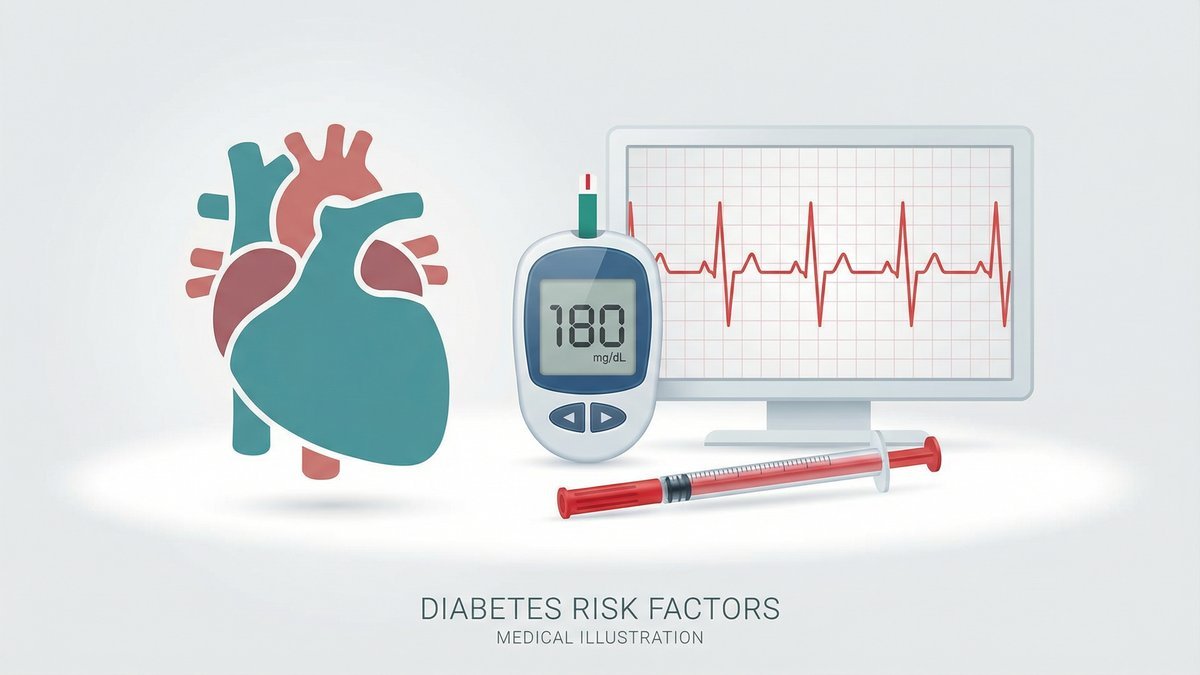
People with diabetes face a cardiovascular risk two to four times higher than the general population. Heart disease remains the leading cause of death among those living with both type 1 and type 2 diabetes — yet the majority of these events are preventable with the right knowledge and consistent management.

Why Diabetes and Heart Disease Are So Closely Linked

The relationship between diabetes and cardiovascular disease is not coincidental. Chronically elevated blood glucose damages the walls of blood vessels through endothelial dysfunction. Over time, this promotes the build-up of fatty plaques inside the arteries — atherosclerosis. When these plaques rupture, they trigger clot formation, blocking blood flow to the heart (heart attack) or brain (stroke).

Beyond glucose itself, diabetes is almost always accompanied by a cluster of metabolic abnormalities: elevated LDL cholesterol, low HDL cholesterol, high triglycerides, insulin resistance, and chronic low-grade inflammation. Each independently increases cardiovascular risk; together, they create a compounding effect known as metabolic syndrome.

⚠️ Key Statistic

Adults with type 2 diabetes are 2–4 times more likely to develop cardiovascular disease than those without diabetes. Approximately 68% of people with diabetes aged 65 or older die from some form of heart disease, according to the American Heart Association.

Your Major Cardiovascular Risk Factors

Risk FactorTargetWhy It Matters
HbA1c<7%Every 1% reduction cuts CV events by ~14%
Blood Pressure<130/80 mmHgHypertension doubles heart attack risk in diabetics
LDL Cholesterol<70 mg/dLLDL drives atherosclerotic plaque formation
Triglycerides<150 mg/dLMarker of insulin resistance
SmokingNon-smokerSmoking + diabetes = 3× higher CV mortality

Protecting Your Heart: Evidence-Based Strategies

✅ Proven Protective Strategies
  • Achieve and maintain HbA1c within your individualised target range
  • Control blood pressure to below 130/80 mmHg
  • Take statin therapy if aged 40–75 with diabetes (ADA recommendation)
  • Consider SGLT2 inhibitors or GLP-1 receptor agonists — both have proven cardiovascular benefits
  • Engage in at least 150 minutes of moderate aerobic exercise per week
  • Follow a Mediterranean or DASH dietary pattern
  • Stop smoking — the single most impactful modifiable risk factor
💡 Key Takeaway

Heart disease is the most serious complication of diabetes, but it is largely preventable. Managing your “ABCs” — HbA1c, Blood pressure, and Cholesterol — alongside lifestyle changes and appropriate medication, gives you the strongest possible protection. Speak with your diabetes care team about your individual cardiovascular risk profile at your next appointment.


Related articles