

"> "> chronic kidney disease Archives - Living Diabetes

Anemia and Diabetes: The Kidney Connection

Doctor examining patient with stethoscope, red blood cells and kidney illustration in background

See also: Diabetes Complications: Heart, Kidney, Eye, and Foot Health — our complete pillar guide.

Do you feel constantly tired, weak, or short of breath, despite your blood sugars being in range? While diabetes burnout is real, these can also be symptoms of anemia, a common but often overlooked complication of diabetic kidney disease.

What is Anemia?

Anemia is a condition in which your blood lacks enough healthy red blood cells to carry adequate oxygen to your body\’s tissues. Red blood cells are made in the bone marrow, and their production is controlled by a hormone called erythropoietin, or EPO.

The Kidney\’s Role in Red Blood Cell Production

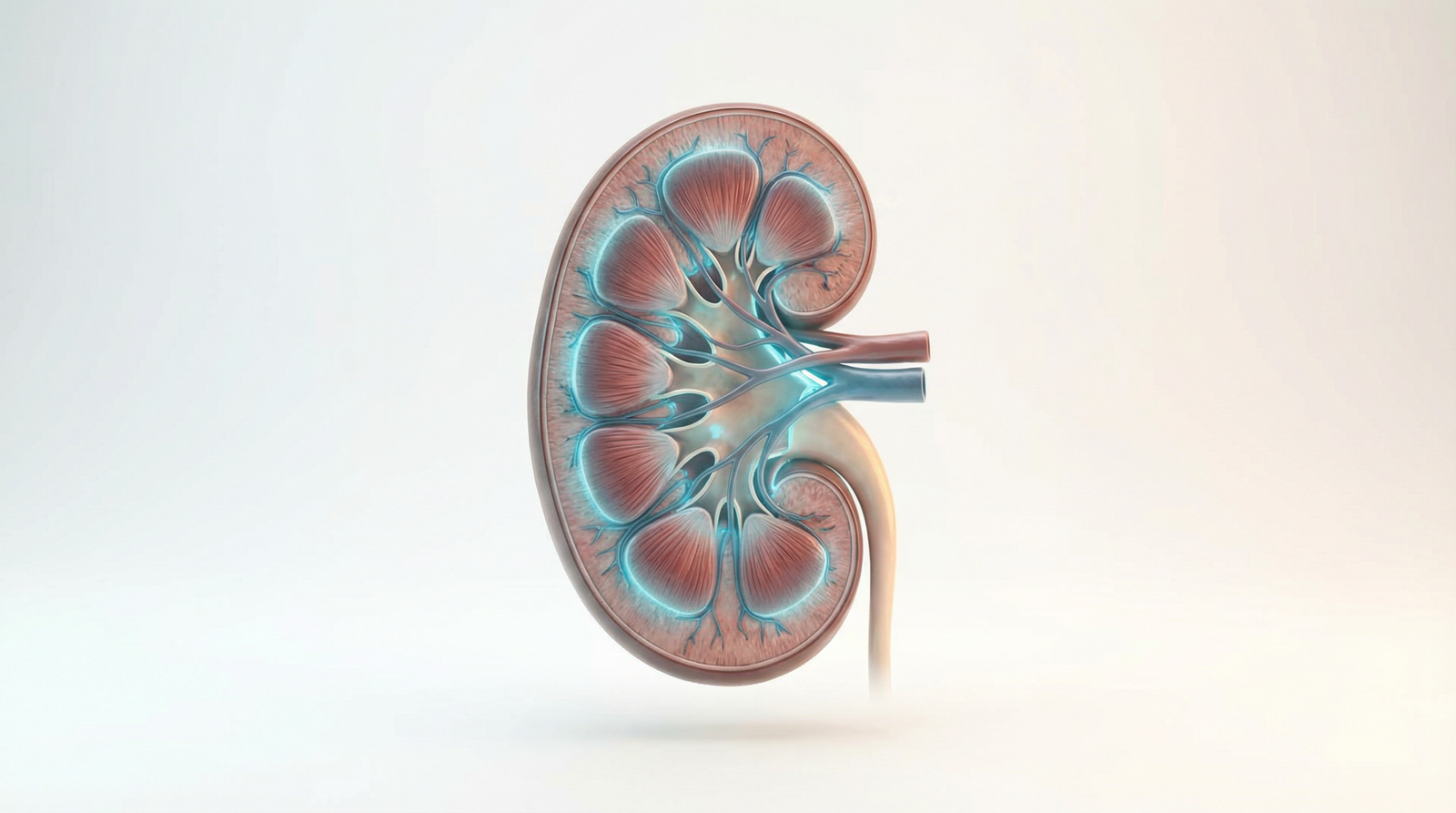
Healthy kidneys are the primary producers of EPO. When the kidneys sense that oxygen levels in the blood are low, they release EPO, which signals the bone marrow to make more red blood cells.

As chronic kidney disease (CKD) progresses, the damaged kidneys can no longer produce enough EPO. Without this signal, the bone marrow slows down its production of red blood cells, leading to anemia. This is why anemia is extremely common in people with moderate to advanced CKD.

Symptoms of Anemia:

  • Persistent fatigue and lack of energy
  • Shortness of breath with minimal exertion
  • Pale skin
  • Feeling cold when others are not
  • Dizziness or lightheadedness
  • Rapid heartbeat

These symptoms can significantly impact quality of life and are often mistaken for poor diabetes control or simply aging.

Diagnosis and Treatment

Anemia is diagnosed with a simple blood test called a complete blood count (CBC), which measures your hemoglobin and hematocrit levels. Your doctor will also check your iron levels, as iron deficiency is another common cause of anemia.

Treatment for anemia of CKD focuses on replacing the missing elements:

  1. Iron Supplementation: If you are iron deficient, you will be given iron supplements, either as pills or through an IV infusion. IV iron is often more effective in people with CKD.
  2. Erythropoiesis-Stimulating Agents (ESAs): These are injectable, synthetic versions of the EPO hormone that your kidneys are failing to produce. Drugs like epoetin alfa and darbepoetin alfa directly stimulate your bone marrow to make new red blood cells.

Key Takeaway

Anemia is a frequent and debilitating complication of diabetic kidney disease. If you have CKD and are experiencing persistent fatigue, don\’t dismiss it. Talk to your doctor about getting tested for anemia. Effective treatments are available that can restore your energy levels and dramatically improve your quality of life.

Related articles

Understanding Kidney Disease in Diabetes: The Silent Threat

For millions of people living with diabetes, managing blood sugar is the primary focus. But a silent, serious complication often lurks in the background: chronic kidney disease (CKD). This March, for National Kidney Month, we are diving deep into how to protect these vital organs.

Why Your Kidneys Matter

Your kidneys are remarkable filters, processing about 180 litres of blood every day. They remove waste products, balance fluids, regulate blood pressure, and produce essential hormones. When you have diabetes, persistently high blood sugar levels force the kidneys to work overtime. Over years, this damages the delicate filtering units (nephrons), leading to diabetic kidney disease, or diabetic nephropathy.

The Silent Progression: One of the most dangerous aspects of diabetic kidney disease is that it often has no symptoms in its early stages. You can lose up to 90% of your kidney function before experiencing signs like fatigue, swelling in your legs, or changes in urination.

Key Numbers to Know

Two simple tests are crucial for monitoring your kidney health:

  • Urine Albumin-to-Creatinine Ratio (UACR): This test checks for tiny amounts of a protein called albumin in your urine. Its presence is one of the earliest signs of kidney damage.
  • Estimated Glomerular Filtration Rate (eGFR): This is a blood test that measures how well your kidneys are filtering waste. A declining eGFR indicates worsening kidney function.

Annual Screening is Essential: The American Diabetes Association recommends that everyone with type 2 diabetes, and those who have had type 1 diabetes for five years or more, get screened for kidney disease annually.

Protecting Your Filters: A Multi-faceted Approach

The good news is that you can take proactive steps to protect your kidneys. Management involves a combination of lifestyle changes and medications.

  1. Blood Sugar Control: Keeping your A1c in your target range is the single most important factor in preventing or slowing kidney disease.
  2. Blood Pressure Management: High blood pressure accelerates kidney damage. The target for people with diabetes is typically below 130/80 mmHg.
  3. Medications: Newer classes of medications like SGLT2 inhibitors and GLP-1 receptor agonists have been shown to provide powerful kidney protection, in addition to their blood sugar and heart benefits.
  4. Diet and Lifestyle: A kidney-friendly diet often involves limiting sodium and, in later stages, protein and potassium. Regular exercise and avoiding smoking are also critical.

Key Takeaway

Diabetic kidney disease is a common but not inevitable complication of diabetes. Through regular screening, tight control of blood sugar and blood pressure, and the use of protective medications, you can significantly reduce your risk and preserve your kidney function for years to come.


Related articles