

"> "> diabetes complications Archives - Living Diabetes

Quit Smoking with Diabetes: Why It Matters More Than You Think

Smoking is the single most preventable cause of death in the world. For people with diabetes, it is even more dangerous — it dramatically amplifies every cardiovascular, renal, and neuropathic complication that diabetes already causes. If you smoke and have diabetes, quitting is the single most impactful health decision you can make.

How Smoking Worsens Diabetes

The interaction between smoking and diabetes is profoundly harmful. Nicotine and other tobacco chemicals worsen insulin resistance, making blood sugar harder to control. Smoking causes endothelial dysfunction — damage to the inner lining of blood vessels — which accelerates atherosclerosis. It raises LDL cholesterol and triglycerides while lowering protective HDL cholesterol. It promotes inflammation and oxidative stress, both of which are already elevated in diabetes.

The result is a multiplicative — not merely additive — increase in cardiovascular risk. A person with diabetes who smokes has 3–4 times the cardiovascular risk of a non-smoking person with diabetes.

What Happens When You Quit

✅ Timeline of Benefits After Quitting

  • 20 minutes: Heart rate and blood pressure drop
  • 12 hours: Carbon monoxide levels in blood normalise
  • 2–12 weeks: Circulation improves; insulin sensitivity begins to improve
  • 1 year: Risk of coronary heart disease halved compared to a smoker
  • 5 years: Stroke risk reduced to that of a non-smoker
  • 10 years: Lung cancer risk halved; risk of other cancers decreases

Effective Quitting Methods

Method Success Rate at 12 months Notes
Varenicline (Champix) ~25–30% Most effective pharmacotherapy; prescription required
NRT + Behavioural Support ~20–25% Patches, gum, lozenges; available OTC
Bupropion ~15–20% Antidepressant with smoking cessation effect
Willpower alone ~3–5% Least effective; combine with support for best results
💡 Key Takeaway

If you have diabetes and you smoke, quitting is the single most powerful action you can take to protect your health. The combination of smoking and diabetes creates a cardiovascular risk that is far greater than the sum of its parts. Use evidence-based methods — varenicline or NRT combined with behavioural support — and ask your GP or diabetes team for help. You do not have to do this alone.

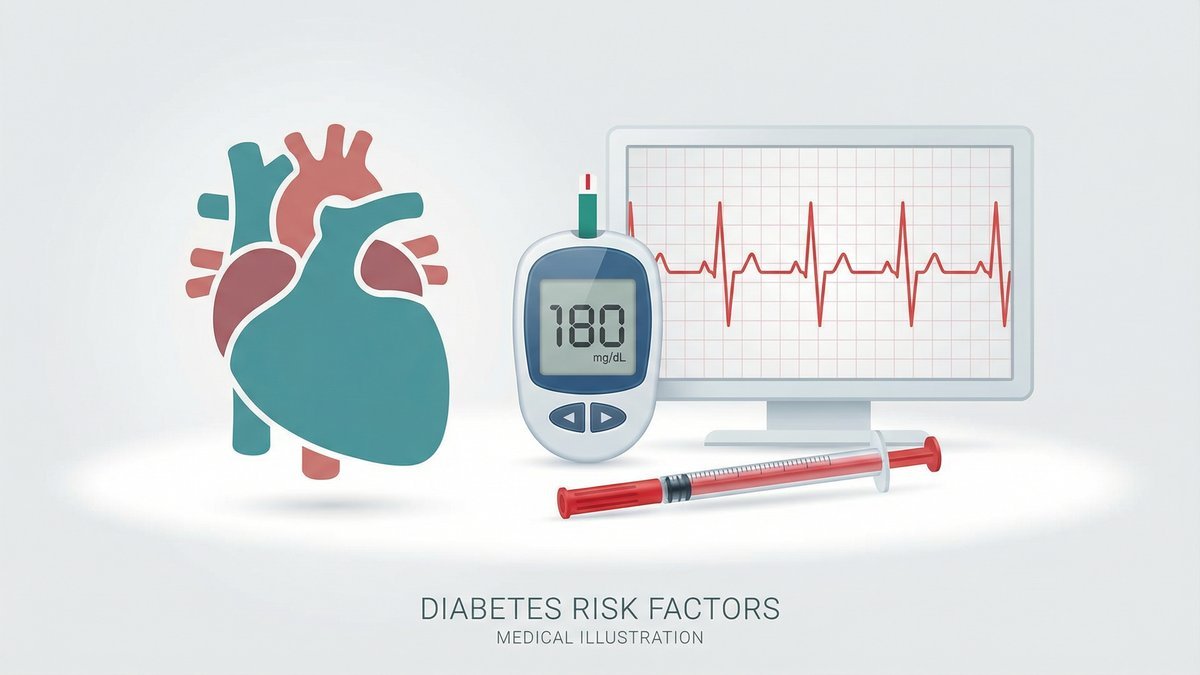
When Should Someone with Diabetes See a Cardiologist?

Diabetes significantly increases cardiovascular risk, yet many people with diabetes never see a cardiologist — even when they should. Knowing when to ask for a cardiology referral, and what to expect when you get one, could be one of the most important steps you take for your long-term health.

Why People with Diabetes Have Elevated Cardiovascular Risk

Cardiovascular disease is the leading cause of death in people with both type 1 and type 2 diabetes. The mechanisms are multiple and interconnected: chronic hyperglycaemia damages blood vessel walls; insulin resistance promotes dyslipidaemia and hypertension; advanced glycation end-products (AGEs) stiffen arterial walls; and chronic inflammation accelerates atherosclerotic plaque formation. The result is that people with diabetes develop cardiovascular disease earlier, more severely, and with less warning than people without diabetes.

Signs You Should Ask for a Cardiology Referral

🚨 Seek Urgent Medical Attention Immediately If You Have:

  • Chest pain, tightness, pressure, or discomfort — especially with exertion
  • Shortness of breath at rest or with minimal activity
  • Palpitations, irregular heartbeat, or episodes of rapid heart rate
  • Unexplained dizziness, fainting, or near-fainting episodes
  • Swelling of the legs or ankles (possible heart failure)
  • Sudden severe fatigue or unexplained exercise intolerance

When to Request a Routine Cardiology Referral

Beyond emergency symptoms, there are several situations where a planned cardiology referral is appropriate for people with diabetes:

  • Diabetes duration of 10+ years with additional risk factors (hypertension, dyslipidaemia, smoking, obesity, family history)
  • Abnormal ECG findings at your annual diabetes review
  • Established chronic kidney disease (eGFR <60) — strongly associated with cardiovascular risk
  • History of peripheral arterial disease (poor circulation in legs)
  • Multiple failed attempts to reach blood pressure or cholesterol targets despite medication
  • Considering high-intensity exercise after a period of inactivity

What Happens at a Cardiology Appointment?

A cardiology assessment for someone with diabetes typically includes a detailed history and physical examination, resting ECG, echocardiogram (ultrasound of the heart), exercise stress test (if appropriate), and blood tests including BNP (a marker of heart strain). Depending on findings, further investigations such as coronary CT angiography or nuclear stress testing may be arranged.

💡 Key Takeaway

Do not wait for symptoms to ask about your heart health. If you have had diabetes for more than 10 years, have additional cardiovascular risk factors, or have any of the warning signs listed above, speak to your GP about a cardiology referral. Early detection and intervention saves lives — and in diabetes, the cardiovascular clock starts ticking at diagnosis.

Diabetes and Heart Disease: Understanding Your Risk

People with diabetes face a cardiovascular risk two to four times higher than the general population. Heart disease remains the leading cause of death among those living with both type 1 and type 2 diabetes — yet the majority of these events are preventable with the right knowledge and consistent management.

Why Diabetes and Heart Disease Are So Closely Linked

The relationship between diabetes and cardiovascular disease is not coincidental. Chronically elevated blood glucose damages the walls of blood vessels through endothelial dysfunction. Over time, this promotes the build-up of fatty plaques inside the arteries — atherosclerosis. When these plaques rupture, they trigger clot formation, blocking blood flow to the heart (heart attack) or brain (stroke).

Beyond glucose itself, diabetes is almost always accompanied by a cluster of metabolic abnormalities: elevated LDL cholesterol, low HDL cholesterol, high triglycerides, insulin resistance, and chronic low-grade inflammation. Each independently increases cardiovascular risk; together, they create a compounding effect known as metabolic syndrome.

⚠️ Key Statistic

Adults with type 2 diabetes are 2–4 times more likely to develop cardiovascular disease than those without diabetes. Approximately 68% of people with diabetes aged 65 or older die from some form of heart disease, according to the American Heart Association.

Your Major Cardiovascular Risk Factors

Risk FactorTargetWhy It Matters
HbA1c<7%Every 1% reduction cuts CV events by ~14%
Blood Pressure<130/80 mmHgHypertension doubles heart attack risk in diabetics
LDL Cholesterol<70 mg/dLLDL drives atherosclerotic plaque formation
Triglycerides<150 mg/dLMarker of insulin resistance
SmokingNon-smokerSmoking + diabetes = 3× higher CV mortality

Protecting Your Heart: Evidence-Based Strategies

✅ Proven Protective Strategies
  • Achieve and maintain HbA1c within your individualised target range
  • Control blood pressure to below 130/80 mmHg
  • Take statin therapy if aged 40–75 with diabetes (ADA recommendation)
  • Consider SGLT2 inhibitors or GLP-1 receptor agonists — both have proven cardiovascular benefits
  • Engage in at least 150 minutes of moderate aerobic exercise per week
  • Follow a Mediterranean or DASH dietary pattern
  • Stop smoking — the single most impactful modifiable risk factor
💡 Key Takeaway

Heart disease is the most serious complication of diabetes, but it is largely preventable. Managing your “ABCs” — HbA1c, Blood pressure, and Cholesterol — alongside lifestyle changes and appropriate medication, gives you the strongest possible protection. Speak with your diabetes care team about your individual cardiovascular risk profile at your next appointment.


Related articles