"> "> heart health Archives - Living Diabetes

February Heart Health Assessment: How Is Your Cardiovascular Health Looking?

February is Heart Health Month — and the perfect time to take stock of where your cardiovascular health stands. This assessment will help you identify your key risk factors, understand your current numbers, and set clear priorities for the months ahead. Knowledge is the foundation of action.

Your Cardiovascular Risk Profile: Know Your Numbers

MetricYour TargetWhy It Matters
HbA1c<53 mmol/mol (7%)Each 1% reduction reduces CVD risk by ~14%
Blood Pressure<130/80 mmHgLeading modifiable CVD risk factor in diabetes
LDL Cholesterol<1.8 mmol/L (high risk)Primary driver of atherosclerotic plaque
Triglycerides<1.7 mmol/LElevated in insulin resistance; independent CVD risk
eGFR>60 mL/min/1.73m²Kidney function; CKD multiplies CVD risk
BMI / Waist CircumferenceBMI <25; Waist <94cm (M) / <80cm (F)Central obesity drives insulin resistance and CVD

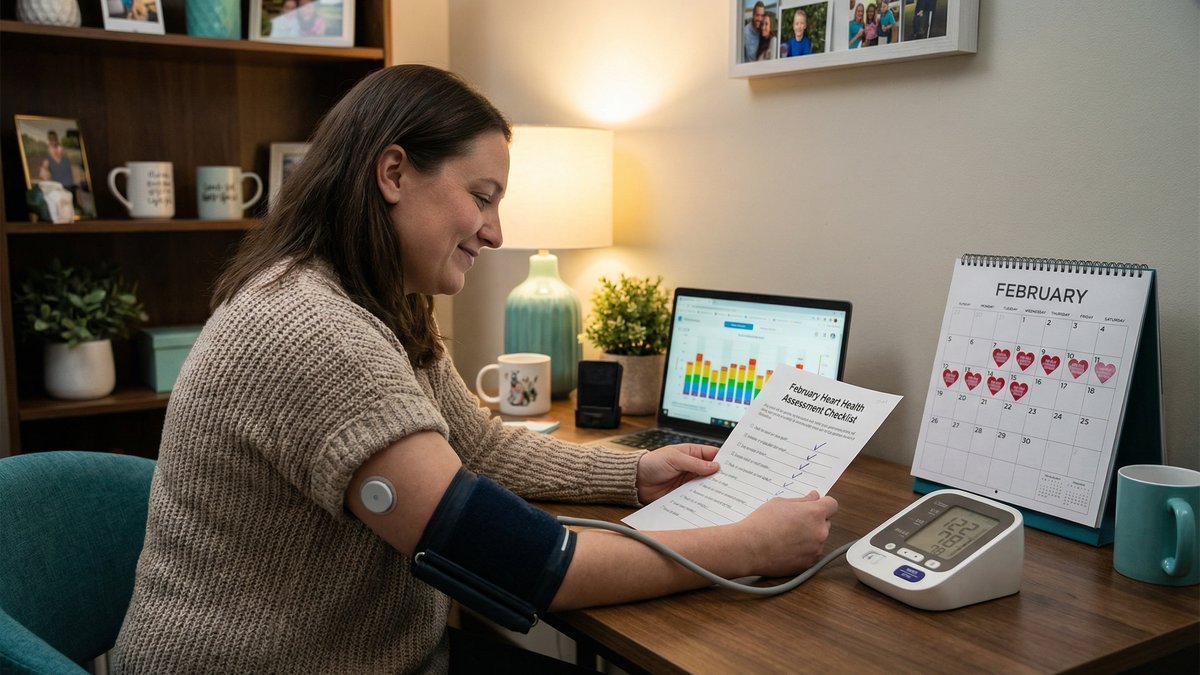
February Heart Health Checklist

✅ Actions to Complete This Month
  • Book your annual diabetes review if you have not had one in the past 12 months
  • Check your blood pressure at home or at a pharmacy — aim for <130/80 mmHg
  • Review your most recent cholesterol results — do you know your LDL number?
  • Assess your physical activity — are you achieving 150 minutes per week?
  • Review your diet — have you incorporated any heart-healthy changes this month?
  • If you smoke, make a quit date and contact your GP for support
  • Review your medications with your doctor — are you on a statin and ACE inhibitor/ARB if indicated?

Setting Your March Cardiovascular Goals

Heart health is not a destination — it is an ongoing process of small, consistent improvements. As February draws to a close, take a moment to identify one specific, measurable goal for March. It might be walking 30 minutes every day, reducing your sodium intake by cutting out processed foods, taking your blood pressure medication consistently, or booking a long-overdue GP appointment.

The most important cardiovascular risk factor is the one you can change today. Use the knowledge you have gained this month to take one meaningful step forward.

💡 Key Takeaway

Heart disease is the leading cause of death in diabetes — but it is also largely preventable. Know your numbers (HbA1c, blood pressure, cholesterol, kidney function), take your medications as prescribed, eat a heart-healthy diet, exercise regularly, and do not smoke. This February, commit to one meaningful cardiovascular health action. Your heart will thank you for it.



Related articles

Reducing Sodium Without Losing Flavour: A Practical Guide for People with Diabetes

High sodium intake is one of the most modifiable cardiovascular risk factors — and one of the most commonly overlooked in diabetes management. Most people consume far more sodium than they realise, primarily from processed foods rather than the salt shaker. Reducing sodium does not mean eating bland food. With the right techniques, you can protect your blood pressure and your heart without sacrificing flavour.

Why Sodium Matters in Diabetes

Hypertension affects approximately 70% of people with type 2 diabetes and is a major driver of cardiovascular disease, stroke, and diabetic kidney disease. Sodium raises blood pressure by increasing fluid retention and vascular resistance. In people with diabetes, this effect is amplified by insulin resistance, which impairs the kidney’s ability to excrete sodium efficiently.

Current guidelines recommend that people with diabetes consume no more than 2,300 mg of sodium per day (approximately 1 teaspoon of salt). Many people consume 3,400 mg or more. The majority of this excess comes not from cooking at home but from processed, packaged, and restaurant foods.

The Hidden Sodium in Everyday Foods

Food Typical Sodium Content % of Daily Limit
Tinned soup (1 serving) 800–1,200 mg 35–52%
Bread (2 slices) 300–400 mg 13–17%
Soy sauce (1 tbsp) 900–1,000 mg 39–43%
Ready meal (1 portion) 1,000–2,000 mg 43–87%
Cheese (30g) 150–300 mg 7–13%

Flavour-Building Techniques That Replace Salt

✅ Sodium-Free Flavour Boosters

  • Acids: Lemon juice, lime juice, and vinegar brighten flavours and reduce the perception of saltiness
  • Herbs: Fresh basil, coriander, parsley, and chives add complexity without sodium
  • Spices: Cumin, smoked paprika, turmeric, and black pepper add depth and warmth
  • Aromatics: Garlic, ginger, shallots, and chilli build a flavour base that makes salt less necessary
  • Umami: Mushrooms, tomato paste, nutritional yeast, and miso (in small amounts) add savoury depth
  • Toasting: Toasting nuts, spices, and seeds intensifies their flavour significantly
💡 Key Takeaway

Reducing sodium is one of the most effective non-pharmacological interventions for blood pressure in diabetes. The key is shifting from processed foods to home-cooked meals, reading food labels carefully, and building flavour through herbs, spices, acids, and aromatics rather than salt. Your taste buds adapt within 2–4 weeks — foods that once tasted normal will start to taste overly salty, making the transition self-reinforcing.

Tirzepatide and Cardiovascular Outcomes: What the SURMOUNT and SURPASS Trials Tell Us

Tirzepatide (Mounjaro) has rapidly become one of the most discussed medications in diabetes and obesity medicine. Its dual GIP/GLP-1 receptor agonist mechanism produces unprecedented reductions in blood sugar and body weight. But what does the evidence say about its cardiovascular effects — and how does it compare to semaglutide?

How Tirzepatide Works

Unlike semaglutide, which acts on GLP-1 receptors alone, tirzepatide is a dual agonist — it activates both GLP-1 (glucagon-like peptide-1) and GIP (glucose-dependent insulinotropic polypeptide) receptors simultaneously. This dual mechanism produces synergistic effects on insulin secretion, glucagon suppression, gastric emptying, and appetite regulation, resulting in greater weight loss and blood sugar reduction than GLP-1 agonists alone.

The SURPASS Trial Programme: Blood Sugar and Weight Results

The SURPASS clinical trial programme, which evaluated tirzepatide across more than 6,000 participants with type 2 diabetes, produced remarkable results. At the highest dose (15mg weekly), tirzepatide reduced HbA1c by an average of 2.58% — the largest reduction ever seen with any glucose-lowering medication in a phase 3 trial. Body weight reductions of 11–15 kg were observed across the programme.

Cardiovascular Risk Factor Improvements

Risk FactorChange with Tirzepatide 15mg
Body weight↓ 11–15 kg (up to 22% in obesity trials)
Systolic blood pressure↓ 7–10 mmHg
Triglycerides↓ 24–28%
HDL cholesterol↑ 6–10%
Waist circumference↓ 10–14 cm

The SURPASS-CVOT Trial: Definitive Cardiovascular Evidence

The dedicated cardiovascular outcomes trial for tirzepatide — SURPASS-CVOT — has been designed to determine whether tirzepatide reduces major adverse cardiovascular events (MACE: heart attack, stroke, cardiovascular death) in people with type 2 diabetes and established cardiovascular disease. Results are anticipated in 2025–2026 and are expected to confirm cardiovascular benefit based on the surrogate marker improvements already observed.

💡 Key Takeaway

Tirzepatide produces the most impressive improvements in cardiovascular risk factors of any glucose-lowering medication to date — including dramatic reductions in weight, blood pressure, and triglycerides. While definitive cardiovascular outcomes data is pending, the evidence strongly suggests it will join semaglutide as a cardioprotective medication. If you have type 2 diabetes and significant cardiovascular risk, discuss tirzepatide with your diabetes team.


Related articles

Plant-Based Eating for Heart Health with Diabetes: A Practical Guide

See also: Diabetes Diet: Mediterranean, Low-Carb, Keto and Plant-Based — our complete pillar guide.

A well-planned plant-based diet is one of the most powerful dietary interventions for cardiovascular health in diabetes. Research consistently shows it reduces LDL cholesterol, lowers blood pressure, improves insulin sensitivity, and promotes weight loss — all while being environmentally sustainable. But it requires careful planning to avoid nutritional pitfalls. Here is how to do it right.

The Evidence for Plant-Based Diets in Diabetes

Multiple large studies have demonstrated the cardiovascular and metabolic benefits of plant-based eating in people with diabetes. A 2019 meta-analysis in JAMA Internal Medicine found that plant-based diets reduced HbA1c by 0.55%, fasting glucose by 0.86 mmol/L, and body weight by 2.7 kg compared to control diets. The Adventist Health Study-2, which followed over 96,000 participants, found that vegans had the lowest rates of type 2 diabetes, hypertension, and cardiovascular disease of any dietary group.

Key Nutritional Considerations for People with Diabetes

⚠️ Watch Out For
  • Carbohydrate quality: Plant-based does not mean low-carb. Focus on low-GI carbohydrates (legumes, vegetables, wholegrains) and avoid refined carbs and fruit juices
  • Vitamin B12: Found only in animal products — supplementation is essential for vegans
  • Iron: Plant iron (non-haem) is less bioavailable — pair with vitamin C to enhance absorption
  • Omega-3: ALA from flaxseed and walnuts is poorly converted to EPA/DHA — consider algae-based omega-3 supplements
  • Calcium and Vitamin D: Ensure adequate intake through fortified foods or supplements

Best Plant-Based Protein Sources for Blood Sugar Control

Protein SourceProtein per 100gCarbs per 100gGI
Tofu (firm)17g2gVery low
Lentils (cooked)9g20gLow (29)
Chickpeas (cooked)9g27gLow (28)
Edamame11g8gLow
Tempeh19g9gLow
💡 Key Takeaway

A well-planned plant-based diet can significantly improve cardiovascular health and blood sugar control in diabetes. The key is focusing on whole plant foods — legumes, vegetables, wholegrains, nuts, and seeds — rather than processed plant-based products. If you are considering a fully vegan diet, work with a registered dietitian to ensure you are meeting all your nutritional needs, particularly B12, iron, calcium, and omega-3 fatty acids.


Related articles

When Should Someone with Diabetes See a Cardiologist?

Diabetes significantly increases cardiovascular risk, yet many people with diabetes never see a cardiologist — even when they should. Knowing when to ask for a cardiology referral, and what to expect when you get one, could be one of the most important steps you take for your long-term health.

Why People with Diabetes Have Elevated Cardiovascular Risk

Cardiovascular disease is the leading cause of death in people with both type 1 and type 2 diabetes. The mechanisms are multiple and interconnected: chronic hyperglycaemia damages blood vessel walls; insulin resistance promotes dyslipidaemia and hypertension; advanced glycation end-products (AGEs) stiffen arterial walls; and chronic inflammation accelerates atherosclerotic plaque formation. The result is that people with diabetes develop cardiovascular disease earlier, more severely, and with less warning than people without diabetes.

Signs You Should Ask for a Cardiology Referral

🚨 Seek Urgent Medical Attention Immediately If You Have:

  • Chest pain, tightness, pressure, or discomfort — especially with exertion
  • Shortness of breath at rest or with minimal activity
  • Palpitations, irregular heartbeat, or episodes of rapid heart rate
  • Unexplained dizziness, fainting, or near-fainting episodes
  • Swelling of the legs or ankles (possible heart failure)
  • Sudden severe fatigue or unexplained exercise intolerance

When to Request a Routine Cardiology Referral

Beyond emergency symptoms, there are several situations where a planned cardiology referral is appropriate for people with diabetes:

  • Diabetes duration of 10+ years with additional risk factors (hypertension, dyslipidaemia, smoking, obesity, family history)
  • Abnormal ECG findings at your annual diabetes review
  • Established chronic kidney disease (eGFR <60) — strongly associated with cardiovascular risk
  • History of peripheral arterial disease (poor circulation in legs)
  • Multiple failed attempts to reach blood pressure or cholesterol targets despite medication
  • Considering high-intensity exercise after a period of inactivity

What Happens at a Cardiology Appointment?

A cardiology assessment for someone with diabetes typically includes a detailed history and physical examination, resting ECG, echocardiogram (ultrasound of the heart), exercise stress test (if appropriate), and blood tests including BNP (a marker of heart strain). Depending on findings, further investigations such as coronary CT angiography or nuclear stress testing may be arranged.

💡 Key Takeaway

Do not wait for symptoms to ask about your heart health. If you have had diabetes for more than 10 years, have additional cardiovascular risk factors, or have any of the warning signs listed above, speak to your GP about a cardiology referral. Early detection and intervention saves lives — and in diabetes, the cardiovascular clock starts ticking at diagnosis.

Statins and Diabetes: Understanding the Risks, Benefits, and the Latest Evidence

Statins are among the most prescribed medications in the world, and for people with diabetes, they are a cornerstone of cardiovascular risk reduction. Yet they are also among the most misunderstood — surrounded by myths about muscle damage, memory loss, and a supposed link to worsening diabetes. This guide cuts through the noise with evidence-based clarity.

Why People with Diabetes Are Recommended Statins

Diabetes is an independent cardiovascular risk factor. People with type 2 diabetes have a 2–4 times higher risk of heart attack and stroke compared to people without diabetes. This elevated risk is driven by the combination of insulin resistance, dyslipidaemia (high triglycerides, low HDL, small dense LDL particles), hypertension, and chronic low-grade inflammation.

Statins work by inhibiting HMG-CoA reductase, the enzyme responsible for cholesterol synthesis in the liver. This reduces LDL cholesterol (the primary driver of atherosclerotic plaque formation) and has additional pleiotropic effects including anti-inflammatory and plaque-stabilising properties.

The Evidence: How Much Do Statins Reduce Cardiovascular Risk?

The evidence for statins in people with diabetes is compelling. The Cholesterol Treatment Trialists’ Collaboration meta-analysis of over 170,000 participants found that each 1 mmol/L reduction in LDL cholesterol with statin therapy reduces major cardiovascular events by approximately 21%. In people with diabetes, the absolute risk reduction is even greater because their baseline risk is higher.

Do Statins Cause Diabetes?

This is the most frequently asked question about statins in people who already have diabetes. The answer is nuanced. Statin therapy is associated with a modest increase in the risk of new-onset type 2 diabetes in people who do not yet have the condition — approximately a 10–12% relative increase in risk. However, this must be weighed against the substantial cardiovascular benefit.

⚠️ Important Clarification

For people who already have diabetes, statins do not meaningfully worsen blood sugar control. The modest increase in HbA1c (approximately 0.1–0.3%) seen in some studies is clinically insignificant compared to the substantial cardiovascular protection they provide. Do not stop your statin without discussing it with your doctor.

Statin Comparison: Which One Is Right for You?

StatinIntensityLDL ReductionNotes
Rosuvastatin 20–40mgHigh50–60%Preferred for high CVD risk; once daily
Atorvastatin 40–80mgHigh45–55%Most widely prescribed; once daily
Simvastatin 20–40mgModerate35–45%More drug interactions; evening dosing
Pravastatin 40mgModerate30–40%Fewer drug interactions; good for elderly
💡 Key Takeaway

For most people with diabetes aged over 40, or with any additional cardiovascular risk factor, statin therapy is recommended by all major guidelines. The cardiovascular benefits substantially outweigh the risks. If you experience muscle aches or other side effects, speak to your doctor — switching to a different statin or adjusting the dose often resolves the problem. Never stop your statin without medical advice.


Related articles

The Mediterranean Diet and Diabetes: Why It Remains the Gold Standard

See also: Diabetes Diet: Mediterranean, Low-Carb, Keto and Plant-Based — our complete pillar guide.

Of all the dietary patterns studied in people with diabetes, the Mediterranean diet consistently emerges as one of the most effective for blood sugar control, cardiovascular protection, and long-term weight management. It is not a restrictive diet — it is a sustainable way of eating that has been followed by millions of people for thousands of years. Here is why it works, and how to adopt it.

What Is the Mediterranean Diet?

The Mediterranean diet is characterised by high consumption of vegetables, legumes, whole grains, fruits, nuts, and olive oil; moderate consumption of fish, poultry, and dairy; and low consumption of red meat and processed foods. Wine is consumed in moderation with meals in the traditional pattern, though this is not a necessary component.

It is not a calorie-counting diet. The focus is on food quality and pattern rather than restriction. This makes it one of the most sustainable dietary approaches for long-term adherence.

The Evidence for Diabetes Management

The evidence base for the Mediterranean diet in diabetes is extensive. The landmark PREDIMED trial (Prevención con Dieta Mediterránea) demonstrated that a Mediterranean diet supplemented with extra-virgin olive oil or nuts reduced major cardiovascular events by approximately 30% compared to a low-fat diet in people at high cardiovascular risk — many of whom had type 2 diabetes.

Multiple meta-analyses have shown that the Mediterranean diet reduces HbA1c by 0.3–0.5%, improves fasting glucose, reduces insulin resistance, lowers LDL cholesterol, raises HDL cholesterol, reduces triglycerides, and promotes modest but sustained weight loss.

Mediterranean Diet vs Other Dietary Approaches

DietHbA1c ReductionCVD RiskSustainability
Mediterranean0.3–0.5%↓ 30% (PREDIMED)⭐⭐⭐⭐⭐
Low-carbohydrate0.5–1.0%Variable⭐⭐⭐
DASH0.2–0.4%↓ BP significantly⭐⭐⭐⭐
Plant-based0.4–0.7%↓ significantly⭐⭐⭐

Practical Steps to Start Eating Mediterranean

✅ Simple Swaps to Get Started
  • Replace butter with extra-virgin olive oil for cooking and dressing
  • Eat fish at least twice a week — especially oily fish like salmon, sardines, or mackerel
  • Make vegetables the centrepiece of every meal, not the side dish
  • Snack on nuts and olives instead of crisps or biscuits
  • Replace white bread and pasta with wholegrain versions
  • Add legumes (lentils, chickpeas, beans) to at least 3 meals per week
  • Use herbs and spices generously — they add flavour without salt or sugar
💡 Key Takeaway

The Mediterranean diet is not a fad — it is the most evidence-based dietary pattern for people with diabetes who want to protect their heart, improve their blood sugar, and eat in a way they can sustain for life. Start with simple swaps: olive oil instead of butter, fish twice a week, more vegetables and legumes, and fewer processed foods. Small changes, consistently applied, produce lasting results.

CGM Patterns That Predict Cardiovascular Risk: What Your Glucose Data Is Telling You

Your continuous glucose monitor does far more than track your blood sugar in real time. The patterns it reveals — the peaks, troughs, and variability between readings — are increasingly recognised as powerful predictors of cardiovascular risk. Understanding what your CGM data is telling you about your heart health could be one of the most important things you do this year.

Beyond HbA1c: Why Glucose Variability Matters

For decades, HbA1c was the primary metric used to assess long-term diabetes management. But HbA1c is an average — it tells you nothing about the peaks and troughs that occur throughout the day. Two people can have identical HbA1c values yet have very different glucose profiles, and very different cardiovascular risk.

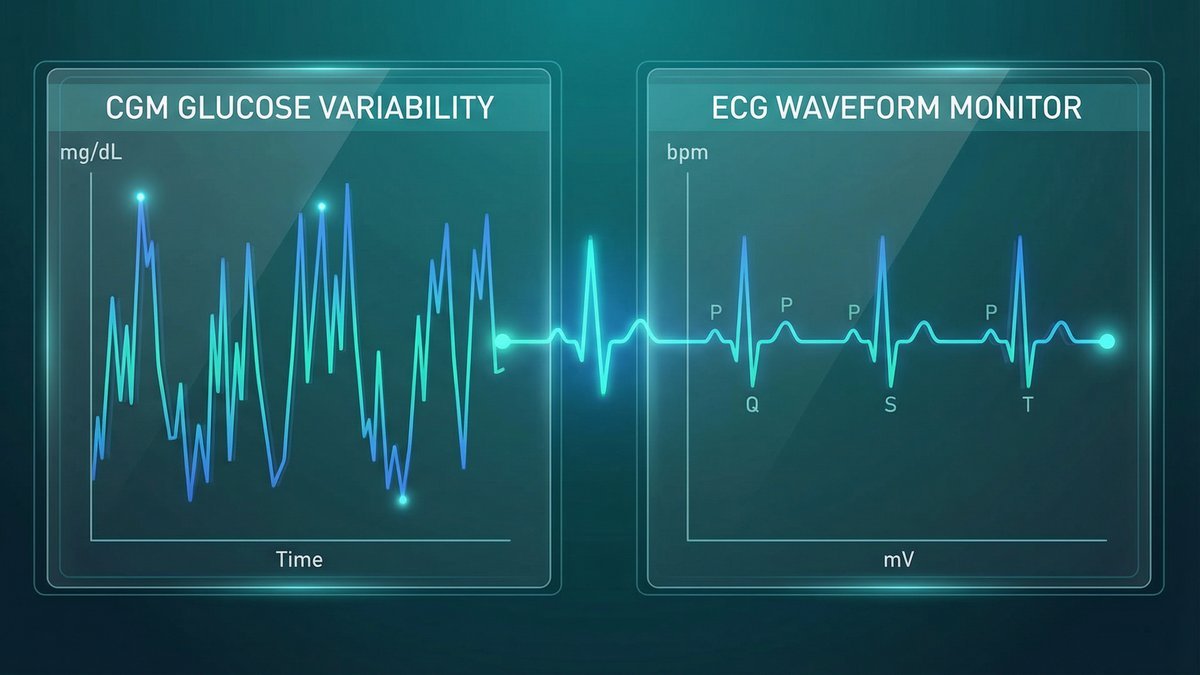
Research has consistently shown that glucose variability — the degree to which blood sugar fluctuates throughout the day — is an independent predictor of cardiovascular events, even after controlling for average glucose levels. CGM technology has made it possible to measure this variability with unprecedented precision.

Key CGM Metrics and Their Cardiovascular Significance

CGM MetricWhat It MeasuresCardiovascular Link
Time in Range (TIR)% of time glucose 3.9–10.0 mmol/LEach 10% increase in TIR associated with reduced CVD risk markers
CV% (Coefficient of Variation)Measure of glucose variabilityCV% >36% independently predicts cardiovascular events
Time Above Range (TAR)% of time glucose >10.0 mmol/LLinked to endothelial dysfunction and oxidative stress
Time Below Range (TBR)% of time glucose <3.9 mmol/LHypoglycaemia triggers adrenaline surge, increasing cardiac arrhythmia risk
Mean Amplitude of Glycaemic Excursions (MAGE)Magnitude of glucose swingsHigh MAGE associated with increased carotid intima-media thickness

Post-Meal Spikes: The Hidden Cardiovascular Danger

Post-prandial glucose spikes — the sharp rise in blood sugar after eating — are particularly damaging to the cardiovascular system. Each spike triggers a cascade of harmful effects: oxidative stress (free radical production), endothelial dysfunction (damage to the inner lining of blood vessels), and pro-inflammatory cytokine release. Over time, these repeated insults accelerate atherosclerosis.

⚠️ Warning Sign

If your CGM regularly shows glucose spikes above 10 mmol/L after meals, this is not just a blood sugar problem — it is a cardiovascular risk factor that warrants urgent attention and discussion with your diabetes team.

Nocturnal Hypoglycaemia: A Silent Cardiac Threat

One of the most valuable capabilities of CGM is detecting nocturnal hypoglycaemia — low blood sugar episodes during sleep that would otherwise go unnoticed. These episodes are not merely uncomfortable; they trigger a powerful sympathoadrenal response (adrenaline release) that can cause cardiac arrhythmias, including QT prolongation and ventricular tachycardia. In people with pre-existing cardiovascular disease, nocturnal hypoglycaemia is a recognised cause of sudden cardiac death.

How to Use Your CGM Data to Protect Your Heart

Maximising your CGM’s cardiovascular protective potential requires moving beyond simply watching the number on the screen. Review your ambulatory glucose profile (AGP) report regularly — most CGM apps generate this automatically. Look for patterns of high variability, frequent post-meal spikes, and any nocturnal lows. Share these reports with your diabetes team at every appointment.

✅ Target CGM Metrics for Cardiovascular Protection
  • Time in Range (3.9–10.0 mmol/L): >70%
  • Time Above Range (>10.0 mmol/L): <25%
  • Time Below Range (<3.9 mmol/L): <4%
  • Coefficient of Variation (CV%): <36%
💡 Key Takeaway

Your CGM is a window into your cardiovascular health, not just your blood sugar. High glucose variability, frequent post-meal spikes, and nocturnal hypoglycaemia are all independent cardiovascular risk factors. Use your AGP report, aim for Time in Range above 70%, and discuss your CGM patterns with your diabetes team at every appointment.


Related articles

Walking for Heart Health with Diabetes: A 4-Week Programme

Walking is the most accessible, evidence-based exercise for people with diabetes. It requires no equipment, no gym membership, and no special fitness level. Yet its cardiovascular and metabolic benefits are profound: regular brisk walking reduces HbA1c, lowers blood pressure, improves cholesterol, aids weight management, and reduces the risk of major cardiovascular events by up to 30%.

The Evidence for Walking in Diabetes

A landmark meta-analysis published in Diabetes Care found that walking programmes reduced HbA1c by an average of 0.5% in people with type 2 diabetes — comparable to the effect of some oral medications. The NAVIGATOR trial and multiple prospective cohort studies have shown that walking 30 minutes per day, five days per week, reduces the risk of cardiovascular events by 19–30% in people with diabetes.

Post-meal walking is particularly effective for blood glucose management. Research shows that a 10–15 minute walk after meals reduces post-prandial glucose spikes by 12–22% — more effectively than a single 30-minute walk at another time of day. This makes post-meal walking one of the simplest and most impactful interventions available.

Your 4-Week Heart Health Walking Programme

WeekDurationFrequencyIntensityFocus
Week 115–20 min4× per weekComfortable paceBuild habit; check glucose response
Week 220–25 min4–5× per weekBrisk (slightly breathless)Increase pace; add post-meal walks
Week 325–30 min5× per weekBrisk with 2-min faster intervalsIntroduce interval walking
Week 430 min5× per weekBrisk with 5-min faster intervalsConsolidate routine; aim for 150 min/week
⚠️ Safety Tips for Walking with Diabetes
  • Check blood glucose before walking if on insulin or sulfonylureas; aim for 7–10 mmol/L
  • Carry fast-acting glucose (glucose tablets or gel) on every walk
  • Wear well-fitting, cushioned footwear and check feet after each walk
  • Avoid walking in extreme heat or cold, which can affect glucose and cardiovascular stress
  • Wear a medical ID or carry identification noting your diabetes
💡 Key Takeaway

Walking is one of the most powerful and accessible interventions for cardiovascular health in diabetes. Even 10-minute post-meal walks can meaningfully reduce glucose spikes. This 4-week programme provides a structured, progressive approach to building a sustainable walking habit that protects both your heart and your blood sugar.


Related articles

How CGM Data Can Reveal Your Cardiovascular Risk

Continuous glucose monitoring (CGM) has transformed diabetes management by providing real-time glucose data that finger-prick testing cannot match. Beyond its immediate utility for dosing decisions, emerging research suggests that CGM-derived metrics — particularly glucose variability — may be powerful predictors of cardiovascular risk, offering insights that HbA1c alone cannot provide.

Beyond HbA1c: Why Glucose Variability Matters

HbA1c reflects average blood glucose over approximately three months, but it tells us nothing about the peaks and troughs that occur throughout the day. Two people with identical HbA1c values of 7% can have very different glucose profiles: one may have consistently stable glucose in the 6–8 mmol/L range, while the other oscillates between 3 and 15 mmol/L multiple times daily.

Research increasingly shows that this glucose variability — independent of average glucose — is associated with oxidative stress, endothelial dysfunction, and cardiovascular events. Each glucose spike triggers a burst of reactive oxygen species that damages the arterial endothelium, promotes inflammation, and activates coagulation pathways. The cumulative effect of repeated glucose excursions may explain why some people with “well-controlled” HbA1c still develop cardiovascular complications.

Key CGM Metrics and Their Cardiovascular Significance

CGM MetricDefinitionTargetCV Significance
Time in Range (TIR)% time between 3.9–10 mmol/L>70%Higher TIR associated with lower CV risk markers
Coefficient of Variation (CV)Measure of glucose variability<36%High CV linked to oxidative stress and endothelial damage
Time Above Range (TAR)% time above 10 mmol/L<25%Post-meal spikes drive inflammation and arterial stiffness
Time Below Range (TBR)% time below 3.9 mmol/L<4%Hypoglycaemia triggers arrhythmias and sympathetic activation
✅ Using CGM Data to Protect Your Heart
  • Review your AGP (Ambulatory Glucose Profile) report with your diabetes team at each appointment
  • Identify patterns of post-meal spikes and work on meal composition to reduce them
  • Aim for Time in Range above 70% as a primary management target
  • Address nocturnal hypoglycaemia — it triggers cortisol and adrenaline surges that stress the heart
  • Use CGM data to optimise exercise timing and intensity for minimal glucose disruption
💡 Key Takeaway

CGM provides a window into glucose dynamics that HbA1c cannot. Glucose variability — the peaks and troughs throughout the day — is an emerging cardiovascular risk factor in its own right. Focusing on Time in Range, reducing post-meal spikes, and eliminating hypoglycaemia are strategies that benefit both short-term glucose management and long-term cardiovascular health.


Related articles