
"> "> kidney failure Archives - Living Diabetes

Dialysis and Diabetes: What to Expect When Kidneys Fail

See also: Diabetes Complications: Heart, Kidney, Eye, and Foot Health — our complete pillar guide.

For people with end-stage renal disease (ESRD), when the kidneys have lost most of their ability to function, dialysis is a life-sustaining treatment that takes over the job of filtering the blood. While the thought of dialysis can be daunting, understanding the process can help demystify it.

What is Dialysis?

Dialysis is a medical procedure that removes waste products, toxins, and excess fluid from the blood when the kidneys are no longer able to. There are two main types of dialysis.

1. Hemodialysis (HD)

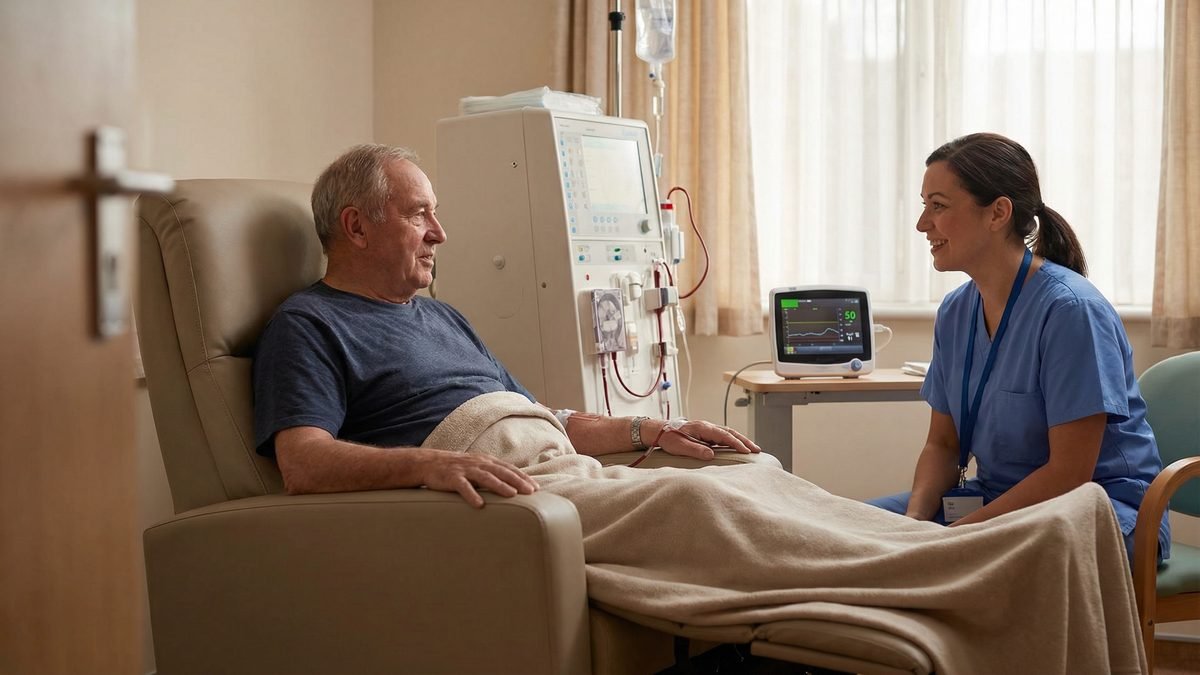
This is the most common type of dialysis. During hemodialysis, blood is drawn from your body through a surgically created access point (usually in the arm), circulated through a machine with a special filter called a dialyzer (the ‘artificial kidney’), and then returned to your body.

  • Where: Hemodialysis is typically done at a specialized dialysis centre, three times a week, with each session lasting about 3-4 hours. Home hemodialysis is also an option for some people.
  • Access: Requires a vascular access, which can be an AV fistula (a surgical connection between an artery and a vein), an AV graft (a synthetic tube connecting an artery and a vein), or a central venous catheter. Fistulas are considered the gold standard as they last longer and have a lower risk of infection.

2. Peritoneal Dialysis (PD)

In peritoneal dialysis, the inside lining of your own abdomen (the peritoneal membrane) acts as the natural filter. A soft plastic tube called a catheter is surgically placed in your abdomen. A sterile cleansing fluid called dialysate is infused into your abdominal cavity through this catheter. The fluid dwells there for a set period, drawing waste products and excess fluid from your blood. The fluid is then drained out and discarded.

  • Where: PD is a home-based therapy. It offers more flexibility and can be done while you sleep (using a machine called a cycler) or manually through several exchanges during the day.
  • Benefits: PD is a gentler process and can be a great option for those who want more independence and control over their treatment schedule.

Diabetes Management on Dialysis: Blood sugar control remains important on dialysis, but it can be unpredictable. The dialysis fluid contains glucose, which can affect your blood sugar levels. Many people find they need less insulin, as the kidneys are no longer breaking it down. Close monitoring and working with your healthcare team are essential.

Key Takeaway

Dialysis is not a cure for kidney failure, but it is a life-saving treatment that allows people to live for many years. Both hemodialysis and peritoneal dialysis have their own pros and cons. The choice between them depends on your medical condition, lifestyle, and personal preference. It is a decision made in close consultation with your nephrologist and healthcare team.

Related articles

Understanding Kidney Disease in Diabetes: The Silent Threat

For millions of people living with diabetes, managing blood sugar is the primary focus. But a silent, serious complication often lurks in the background: chronic kidney disease (CKD). This March, for National Kidney Month, we are diving deep into how to protect these vital organs.

Why Your Kidneys Matter

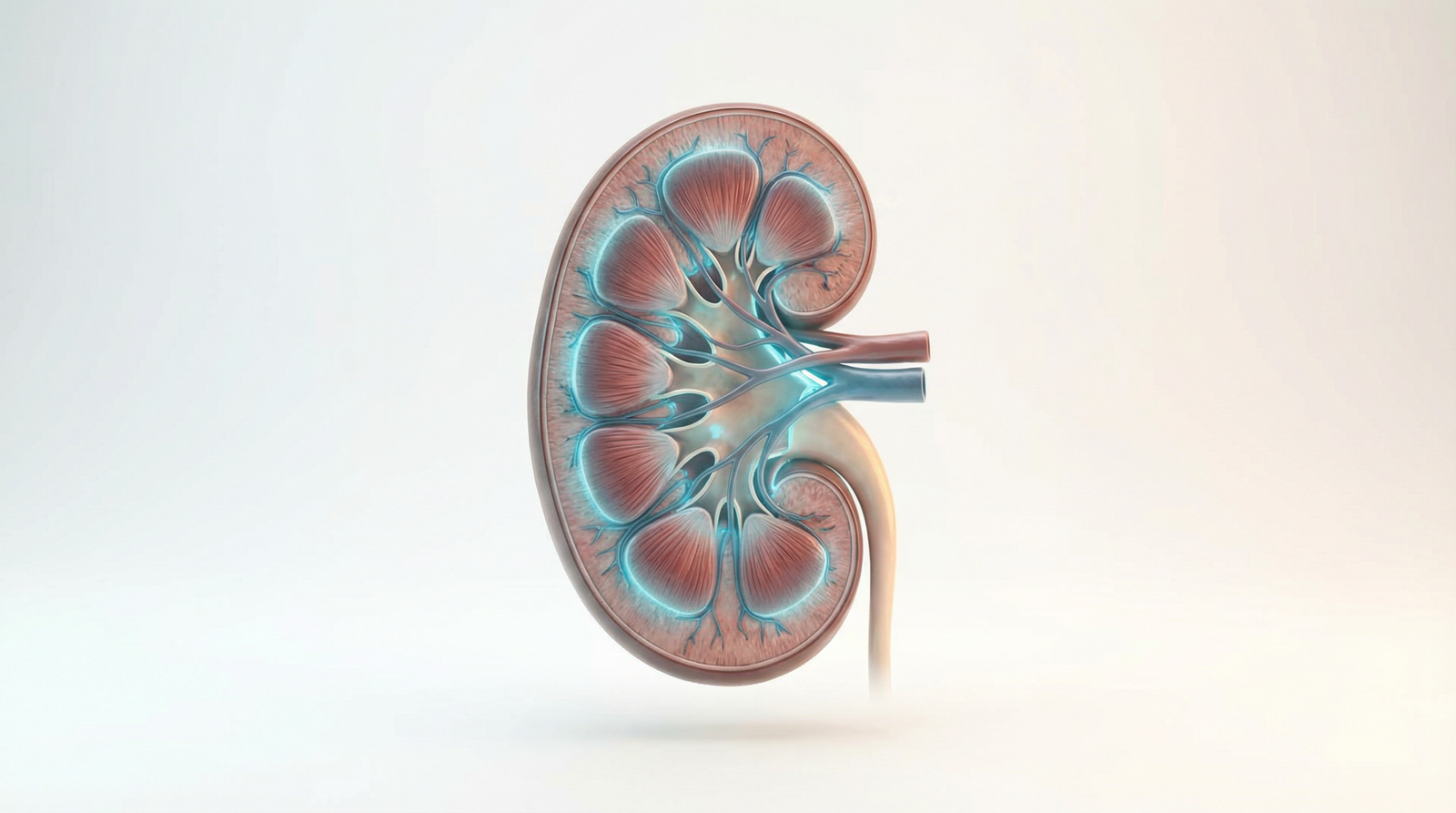
Your kidneys are remarkable filters, processing about 180 litres of blood every day. They remove waste products, balance fluids, regulate blood pressure, and produce essential hormones. When you have diabetes, persistently high blood sugar levels force the kidneys to work overtime. Over years, this damages the delicate filtering units (nephrons), leading to diabetic kidney disease, or diabetic nephropathy.

The Silent Progression: One of the most dangerous aspects of diabetic kidney disease is that it often has no symptoms in its early stages. You can lose up to 90% of your kidney function before experiencing signs like fatigue, swelling in your legs, or changes in urination.

Key Numbers to Know

Two simple tests are crucial for monitoring your kidney health:

  • Urine Albumin-to-Creatinine Ratio (UACR): This test checks for tiny amounts of a protein called albumin in your urine. Its presence is one of the earliest signs of kidney damage.
  • Estimated Glomerular Filtration Rate (eGFR): This is a blood test that measures how well your kidneys are filtering waste. A declining eGFR indicates worsening kidney function.

Annual Screening is Essential: The American Diabetes Association recommends that everyone with type 2 diabetes, and those who have had type 1 diabetes for five years or more, get screened for kidney disease annually.

Protecting Your Filters: A Multi-faceted Approach

The good news is that you can take proactive steps to protect your kidneys. Management involves a combination of lifestyle changes and medications.

  1. Blood Sugar Control: Keeping your A1c in your target range is the single most important factor in preventing or slowing kidney disease.
  2. Blood Pressure Management: High blood pressure accelerates kidney damage. The target for people with diabetes is typically below 130/80 mmHg.
  3. Medications: Newer classes of medications like SGLT2 inhibitors and GLP-1 receptor agonists have been shown to provide powerful kidney protection, in addition to their blood sugar and heart benefits.
  4. Diet and Lifestyle: A kidney-friendly diet often involves limiting sodium and, in later stages, protein and potassium. Regular exercise and avoiding smoking are also critical.

Key Takeaway

Diabetic kidney disease is a common but not inevitable complication of diabetes. Through regular screening, tight control of blood sugar and blood pressure, and the use of protective medications, you can significantly reduce your risk and preserve your kidney function for years to come.


Related articles