
"> "> kidney protection Archives - Living Diabetes

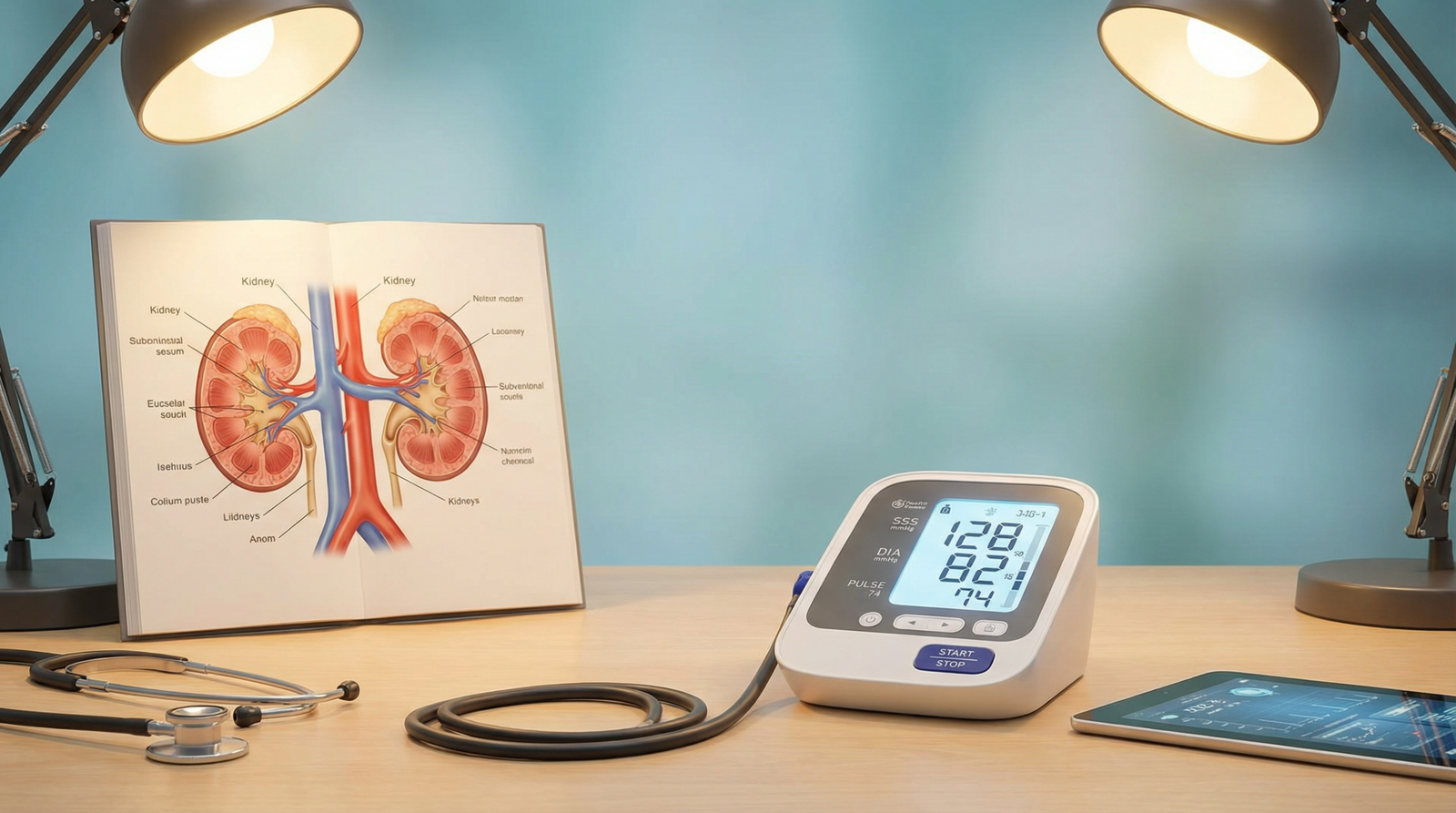
Blood Pressure Targets for Kidney Health: How Low Should You Go?

See also: Diabetes Complications: Heart, Kidney, Eye, and Foot Health — our complete pillar guide.

If high blood sugar is the kindling, high blood pressure is the gasoline that fuels the fire of diabetic kidney disease. Controlling blood pressure is just as important as controlling blood sugar for preserving kidney function. But what should the target be?

The Evolving Guidelines

For a long time, the standard blood pressure target for people with diabetes was less than 140/90 mmHg. However, as research has evolved, guidelines have become more stringent, especially for individuals with signs of kidney disease.

Current recommendations from organizations like the American Diabetes Association (ADA) and KDIGO (Kidney Disease: Improving Global Outcomes) suggest a target of **less than 130/80 mmHg** for most people with diabetes and hypertension. For those who already have chronic kidney disease (CKD), some experts advocate for even tighter control, aiming for a systolic pressure (the top number) closer to 120 mmHg, if it can be achieved safely without causing side effects like dizziness.

Why Tighter Control? Every point you lower your blood pressure reduces the strain on the delicate blood vessels in your kidneys. Think of it like a plumbing system: lower pressure means less wear and tear on the pipes. This slows down the process of damage and scarring.

Medications: Not Just for Blood Pressure

For people with diabetes and high blood pressure, the choice of medication is key. Two classes of drugs are considered first-line therapy because they provide direct kidney protection in addition to lowering blood pressure:

  • ACE (Angiotensin-Converting Enzyme) Inhibitors: Drugs ending in “-pril” (e.g., lisinopril, ramipril).
  • ARBs (Angiotensin II Receptor Blockers): Drugs ending in “-sartan” (e.g., losartan, valsartan).

These medications work by relaxing blood vessels, but they also have a specific beneficial effect on the pressure within the glomeruli, the kidney’s filters. They are a cornerstone of therapy for anyone with diabetes and albuminuria (protein in the urine), even if their blood pressure is not yet considered high.

The Importance of Home Monitoring

Your blood pressure can vary throughout the day and can be artificially high in a doctor’s office (a phenomenon known as “white coat hypertension”). Regularly monitoring your blood pressure at home provides a much more accurate picture of your true average blood pressure. Share your home readings with your doctor to help them make the best treatment decisions.

Key Takeaway

For optimal kidney protection, aim for a blood pressure target of less than 130/80 mmHg, and possibly even lower if you have existing CKD. Medications like ACE inhibitors and ARBs are essential tools, and regular home monitoring is crucial for effective management. Don’t underestimate the power of blood pressure control in your fight to preserve kidney health.

Related articles

SGLT2 Inhibitors for Kidney Protection: A Powerful Tool

Alongside GLP-1 agonists, the other superstar class of medications for kidney protection in diabetes is the SGLT2 inhibitors. Drugs like empagliflozin (Jardiance), dapagliflozin (Farxiga), and canagliflozin (Invokana) have fundamentally changed how doctors treat diabetic kidney disease.

How Do SGLT2 Inhibitors Work?

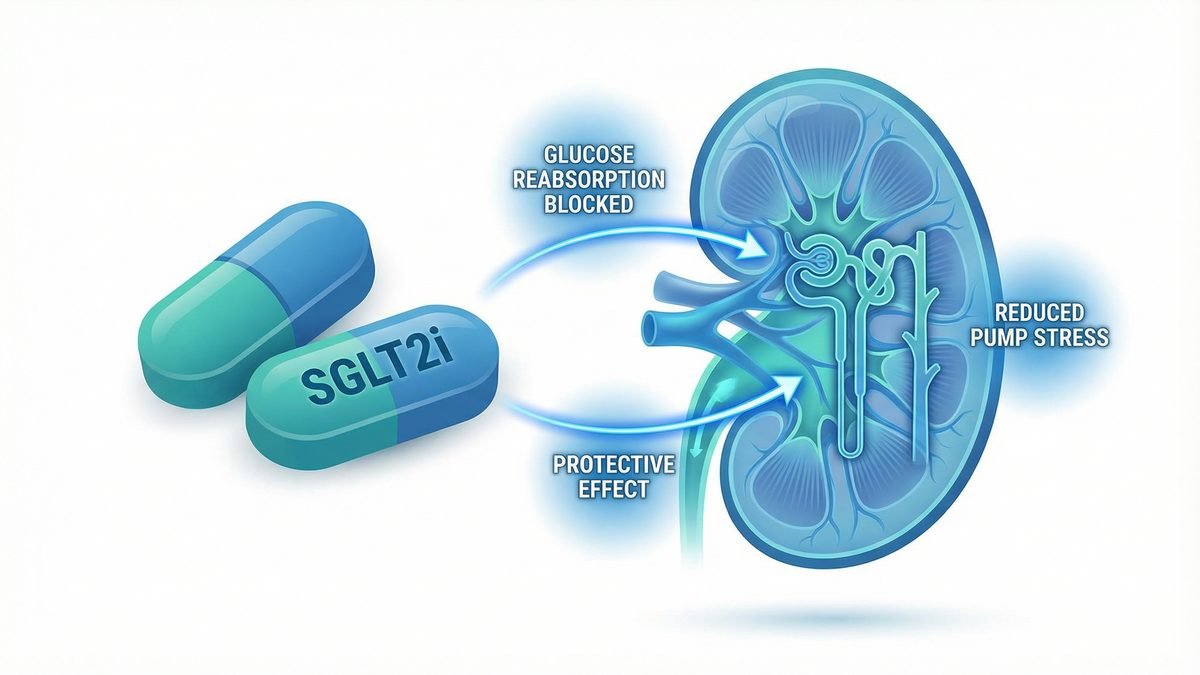
SGLT2 inhibitors work in a unique way. They block a protein called sodium-glucose cotransporter 2 in the kidneys. This protein is responsible for reabsorbing glucose from the urine back into the blood. By blocking it, SGLT2 inhibitors make you excrete excess glucose in your urine.

This has a direct blood-sugar-lowering effect, but their kidney benefits go much deeper. By changing the dynamics of filtration and pressure within the glomerulus, they reduce the state of hyperfiltration—the damaging overwork that characterizes early diabetic kidney disease. They effectively turn down the pressure inside the kidney’s filters.

Landmark Trials: The evidence is overwhelming. Large clinical trials like EMPA-REG OUTCOME (Jardiance), DAPA-CKD (Farxiga), and CREDENCE (Invokana) have all shown that these medications dramatically reduce the risk of kidney function decline, the need for dialysis, and death from kidney disease in people with diabetes.

Who Should Take an SGLT2 Inhibitor?

Based on this powerful evidence, clinical guidelines have been updated. SGLT2 inhibitors are now recommended for most people with type 2 diabetes and established chronic kidney disease (defined as a UACR > 30 mg/g or an eGFR < 60).

They are often prescribed even if blood sugar is already well-controlled, purely for their kidney- and heart-protective benefits. They have also been shown to reduce the risk of hospitalization for heart failure.

Potential Side Effects: The most common side effects are genital yeast and urinary tract infections, due to the increased sugar in the urine. Staying well-hydrated can help mitigate this risk. A rare but serious side effect is diabetic ketoacidosis (DKA), which can sometimes occur even with normal blood sugar levels. It’s crucial to be aware of the symptoms (nausea, vomiting, abdominal pain) and to stop the medication if you are sick, fasting, or having surgery.

Key Takeaway

SGLT2 inhibitors are a cornerstone of modern diabetic kidney disease management. By reducing the pressure within the kidneys’ filtering units, they provide powerful protection that goes beyond their glucose-lowering effects. If you have type 2 diabetes and signs of kidney disease, talk to your doctor about whether an SGLT2 inhibitor is right for you.


Related articles

GLP-1 Agonists and Kidney Protection: An Added Benefit

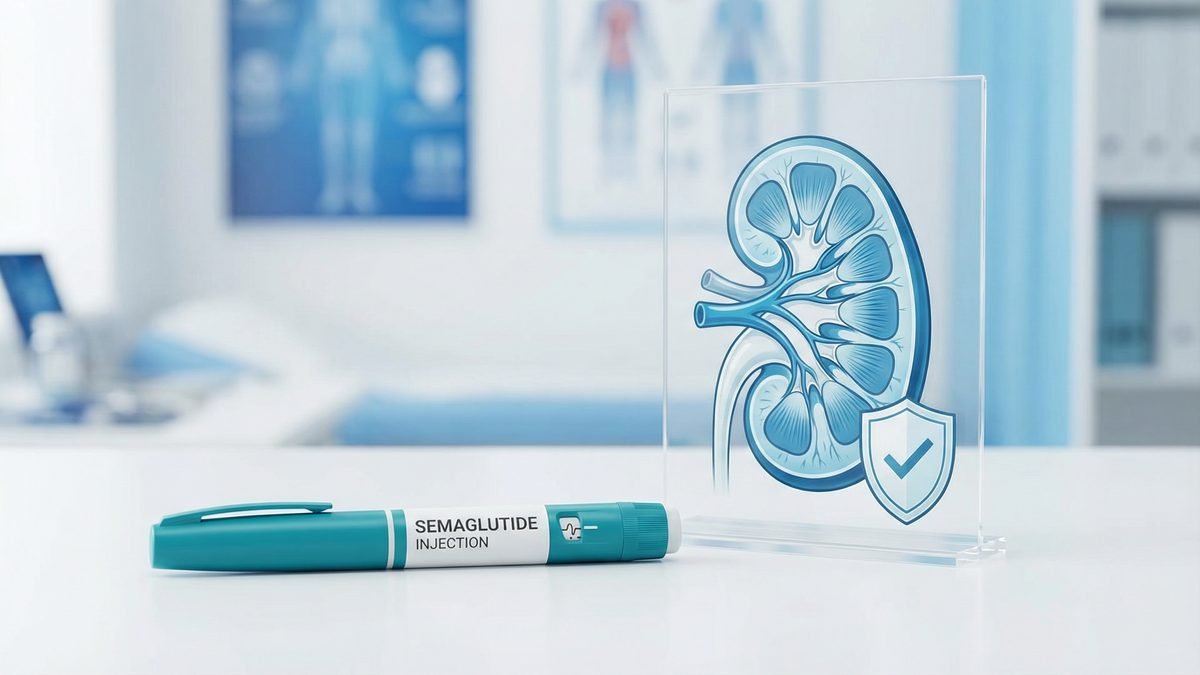
GLP-1 receptor agonists like semaglutide (Ozempic, Wegovy) and liraglutide (Victoza) have revolutionized diabetes care with their powerful effects on blood sugar and weight loss. But a growing body of evidence shows their benefits extend to another critical area: protecting the kidneys.

Beyond Glucose Control: How GLP-1s Help the Kidneys

While improving blood sugar and blood pressure certainly contributes, researchers believe GLP-1s have direct protective effects on the kidneys through several mechanisms.

  1. Reducing Inflammation: As we’ve discussed, chronic inflammation is a key driver of kidney damage. GLP-1s have been shown to have anti-inflammatory properties, helping to calm the inflammatory processes within the kidney.
  2. Decreasing Oxidative Stress: Oxidative stress is an imbalance that damages cells, including the delicate cells of the kidney’s filtering units. GLP-1s appear to reduce this harmful stress.
  3. Improving Endothelial Function: These medications help improve the health of the endothelium, the inner lining of blood vessels. Healthier blood vessels in the kidneys are less likely to become stiff and leaky.
  4. Promoting Natriuresis: GLP-1s encourage the kidneys to excrete more sodium and water, which can help lower blood pressure and reduce the workload on the heart and kidneys.

Major Clinical Trials: The evidence for these benefits comes from large-scale cardiovascular outcome trials. Studies like LEADER (liraglutide) and SUSTAIN-6 (semaglutide) showed that participants taking these medications had a significantly lower risk of developing or worsening kidney disease compared to those on placebo.

Combining Forces: GLP-1s and SGLT2 Inhibitors

The most exciting development in diabetic kidney disease is the combined use of GLP-1 agonists and SGLT2 inhibitors (like Jardiance, Farxiga). These two classes of drugs work through different, complementary pathways to provide even more powerful kidney protection than either one alone.

While SGLT2 inhibitors are often considered the primary class for kidney protection, adding a GLP-1 can provide substantial additional benefits, particularly for patients who also need significant A1c reduction or weight loss.

Key Takeaway

The benefits of GLP-1 receptor agonists go far beyond blood sugar and weight management. Their ability to reduce inflammation, oxidative stress, and blood pressure provides a direct, protective effect on the kidneys. For many people with type 2 diabetes, these medications are a cornerstone of a comprehensive strategy to prevent the progression of diabetic kidney disease.


Related articles