
"> "> omega-3 Archives - Living Diabetes

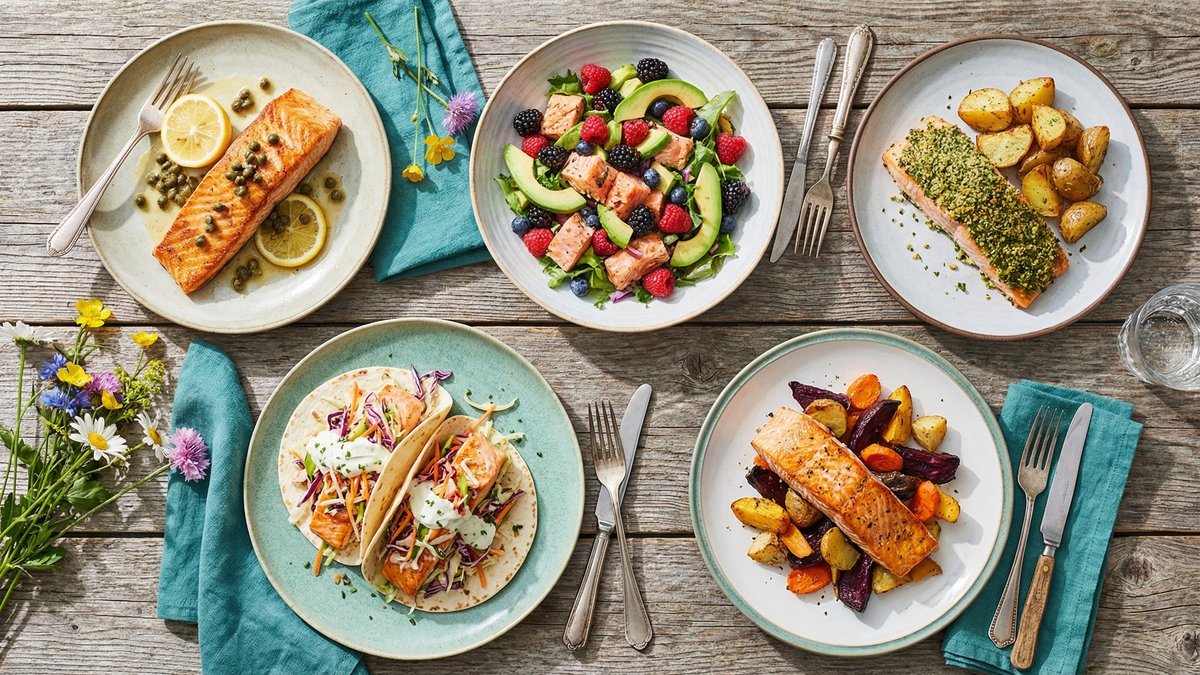
5 Salmon Recipes That Are Perfect for Your Heart and Blood Sugar

See also: Diabetes Diet: Mediterranean, Low-Carb, Keto and Plant-Based — our complete pillar guide.

Salmon is one of the most nutritionally valuable foods for people with diabetes and cardiovascular risk. Rich in EPA and DHA omega-3 fatty acids, high-quality protein, and vitamin D, it simultaneously lowers triglycerides, reduces inflammation, supports blood pressure management, and has minimal impact on blood glucose. These five recipes make it easy to enjoy salmon at least twice a week.

🐟 Diabetes-Friendly Highlights
  • Rich in EPA and DHA omega-3s — lowers triglycerides by 15–30%
  • High-quality complete protein — promotes satiety and preserves muscle mass
  • Zero carbohydrates — no direct blood glucose impact
  • Rich in vitamin D — deficiency is associated with insulin resistance
  • Contains astaxanthin — a potent antioxidant with anti-inflammatory properties

Recipe 1: Lemon and Herb Baked Salmon

Serves: 2 | Prep: 5 min | Cook: 15 min | Carbs per serving: ~2g

Ingredients: 2 salmon fillets (150g each); 1 lemon (zested and juiced); 2 garlic cloves (minced); 1 tbsp olive oil; fresh dill and parsley; salt and pepper.

Method: Preheat oven to 200°C. Place salmon on a lined baking tray. Mix olive oil, lemon juice, zest, garlic, and herbs; spoon over fillets. Bake for 12–15 minutes until cooked through. Serve with steamed broccoli and cauliflower rice.

Nutrition per serving: 320 kcal | 34g protein | 18g fat | 2g carbohydrate

Recipe 2: Teriyaki Salmon with Edamame Rice

Serves: 2 | Prep: 10 min | Cook: 15 min | Carbs per serving: ~28g

Ingredients: 2 salmon fillets; 2 tbsp low-sodium soy sauce; 1 tbsp mirin; 1 tsp sesame oil; 1 tsp grated ginger; 150g brown rice (cooked); 100g edamame; spring onions and sesame seeds to garnish.

Method: Mix soy sauce, mirin, sesame oil, and ginger. Marinate salmon for 10 minutes. Pan-fry or grill for 3–4 minutes each side. Serve over brown rice mixed with edamame, garnished with spring onions and sesame seeds.

Nutrition per serving: 480 kcal | 42g protein | 16g fat | 28g carbohydrate

Recipe 3: Mediterranean Salmon Traybake

Serves: 2 | Prep: 10 min | Cook: 25 min | Carbs per serving: ~18g

Ingredients: 2 salmon fillets; 1 courgette (sliced); 1 red pepper (sliced); 200g cherry tomatoes; 1 red onion (quartered); 2 tbsp olive oil; 1 tsp dried oregano; 50g olives; 30g feta cheese.

Method: Preheat oven to 200°C. Toss vegetables with olive oil and oregano; spread on a large baking tray. Nestle salmon fillets among the vegetables. Roast for 20–25 minutes. Top with olives and crumbled feta before serving.

Nutrition per serving: 420 kcal | 36g protein | 24g fat | 18g carbohydrate

Recipe 4: Smoked Salmon and Avocado Breakfast Bowl

Serves: 1 | Prep: 5 min | Cook: 0 min | Carbs per serving: ~8g

Ingredients: 100g smoked salmon; ½ avocado (sliced); 2 poached eggs; handful of rocket; 1 tbsp capers; lemon juice; black pepper.

Method: Arrange rocket on a plate. Top with smoked salmon, avocado slices, and poached eggs. Scatter capers, squeeze lemon juice, and season with black pepper. Serve immediately.

Nutrition per serving: 380 kcal | 32g protein | 26g fat | 8g carbohydrate

Recipe 5: Thai-Style Salmon Fishcakes

Serves: 2 | Prep: 15 min | Cook: 10 min | Carbs per serving: ~12g

Ingredients: 300g fresh salmon (skinless); 1 tbsp red curry paste; 1 egg; 2 spring onions (chopped); 1 tbsp fish sauce; handful of coriander; 1 tbsp coconut oil for frying; lime wedges to serve.

Method: Pulse salmon in a food processor until roughly minced. Mix with curry paste, egg, spring onions, fish sauce, and coriander. Shape into 6 patties. Fry in coconut oil for 3–4 minutes each side until golden. Serve with a fresh cucumber salad and lime wedges.

Nutrition per serving: 340 kcal | 38g protein | 18g fat | 12g carbohydrate

💡 Key Takeaway

Aim to eat fatty fish like salmon at least twice a week. The combination of omega-3 fatty acids, high-quality protein, and zero carbohydrates makes it one of the best foods for simultaneous heart protection and blood sugar management. These five recipes prove that eating well for your diabetes and your heart does not have to be complicated or boring.

Related articles

Omega-3 Fatty Acids and Diabetes: Do Supplements Actually Help?

Omega-3 fatty acids are among the most extensively studied dietary supplements in cardiovascular medicine. For people with diabetes — who face elevated triglycerides, increased cardiovascular risk, and chronic inflammation — the question of whether omega-3 supplements provide meaningful benefit is both clinically important and surprisingly nuanced.

What Are Omega-3 Fatty Acids?

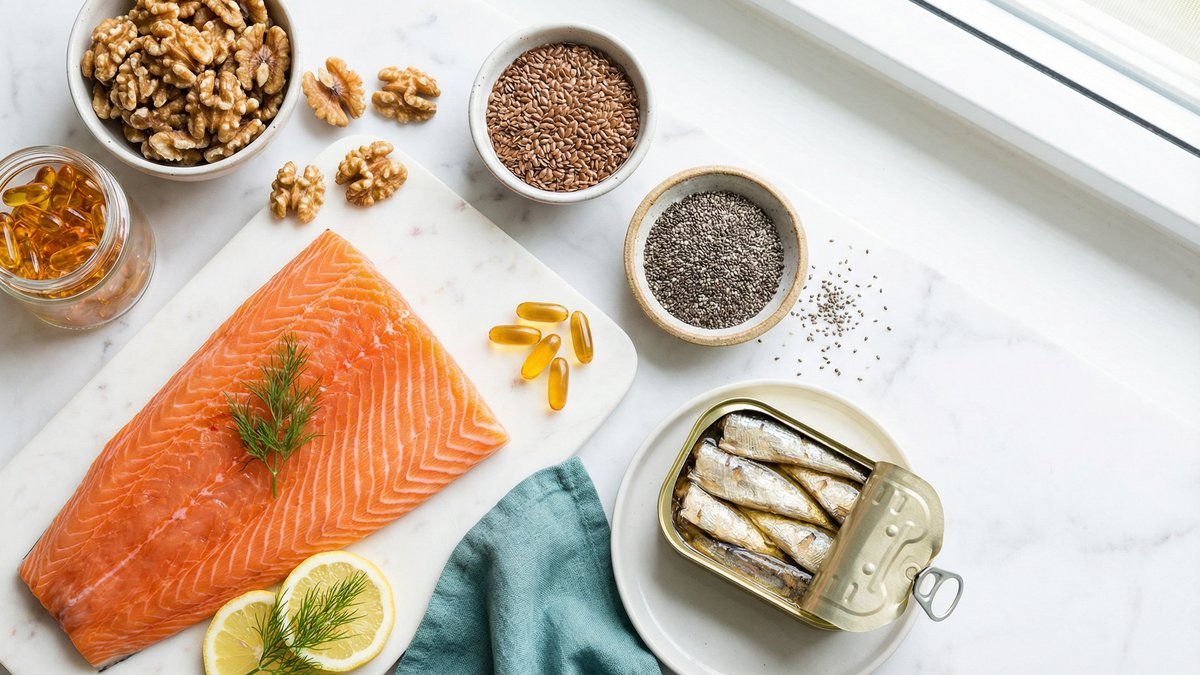
Omega-3 fatty acids are a family of polyunsaturated fats. The three most clinically relevant forms are eicosapentaenoic acid (EPA), docosahexaenoic acid (DHA), and alpha-linolenic acid (ALA). EPA and DHA are found primarily in fatty fish (salmon, mackerel, sardines, herring) and in fish oil supplements. ALA is found in plant sources such as flaxseed, chia seeds, and walnuts, but is only partially converted to EPA and DHA in the body — making marine sources far more bioavailable.

What Does the Evidence Show?

Triglyceride reduction: This is the most consistently demonstrated benefit of omega-3 supplementation. High-dose EPA+DHA (2–4 grams per day) reduces triglycerides by 15–30%. This is clinically significant for people with diabetes, who commonly have elevated triglycerides as part of diabetic dyslipidaemia.

Cardiovascular outcomes: The evidence here is more mixed. The REDUCE-IT trial (2018) showed that high-dose icosapentaenoic acid (EPA only, as icosapentaenoic acid ethyl ester — Vascepa) at 4 grams per day reduced major cardiovascular events by 25% in high-risk patients with elevated triglycerides. However, the STRENGTH and ORIGIN trials, using standard fish oil at lower doses, showed no cardiovascular benefit.

Blood glucose: Standard-dose omega-3 supplements do not significantly affect HbA1c or fasting glucose in people with type 2 diabetes. Some early concerns about high-dose fish oil raising blood glucose have not been confirmed in well-controlled trials.

Inflammation: EPA and DHA reduce levels of inflammatory markers including C-reactive protein, interleukin-6, and tumour necrosis factor-alpha. Given that chronic inflammation drives both insulin resistance and cardiovascular disease, this anti-inflammatory effect is clinically relevant even if its direct impact on outcomes is difficult to isolate.

⚠️ Food First: The Case for Dietary Omega-3s

The strongest evidence for omega-3 benefits comes from dietary intake of fatty fish, not supplements. The PREDIMED trial demonstrated that a Mediterranean diet rich in fish and olive oil reduced cardiovascular events by 30% — an effect attributable to the whole dietary pattern, not any single nutrient. Aim for 2–3 servings of fatty fish per week before reaching for a supplement.

Who Should Consider Omega-3 Supplements?

Based on current evidence, omega-3 supplementation is most justified in the following scenarios: triglycerides persistently above 500 mg/dL (where high-dose omega-3s are an established treatment for pancreatitis prevention); triglycerides between 150–499 mg/dL in high cardiovascular risk patients (where high-dose EPA-only preparations like icosapentaenoic acid may be considered); and individuals who cannot or do not eat fatty fish regularly.

✅ Practical Omega-3 Recommendations

  • Aim for 2–3 servings of fatty fish per week (salmon, mackerel, sardines)
  • If supplementing, choose a product providing at least 1g combined EPA+DHA per day
  • For triglyceride reduction, doses of 2–4g EPA+DHA per day are needed
  • Look for supplements with third-party purity certification (IFOS or similar)
  • Always discuss supplementation with your doctor, especially if on blood thinners
💡 Key Takeaway

Omega-3 fatty acids offer genuine benefits for triglyceride reduction and inflammation in people with diabetes. However, dietary sources (fatty fish) remain superior to supplements for overall cardiovascular protection. High-dose EPA-only preparations may be appropriate for high-risk patients with persistently elevated triglycerides — discuss this with your care team.

Heart-Healthy Eating with Diabetes: A Practical Guide

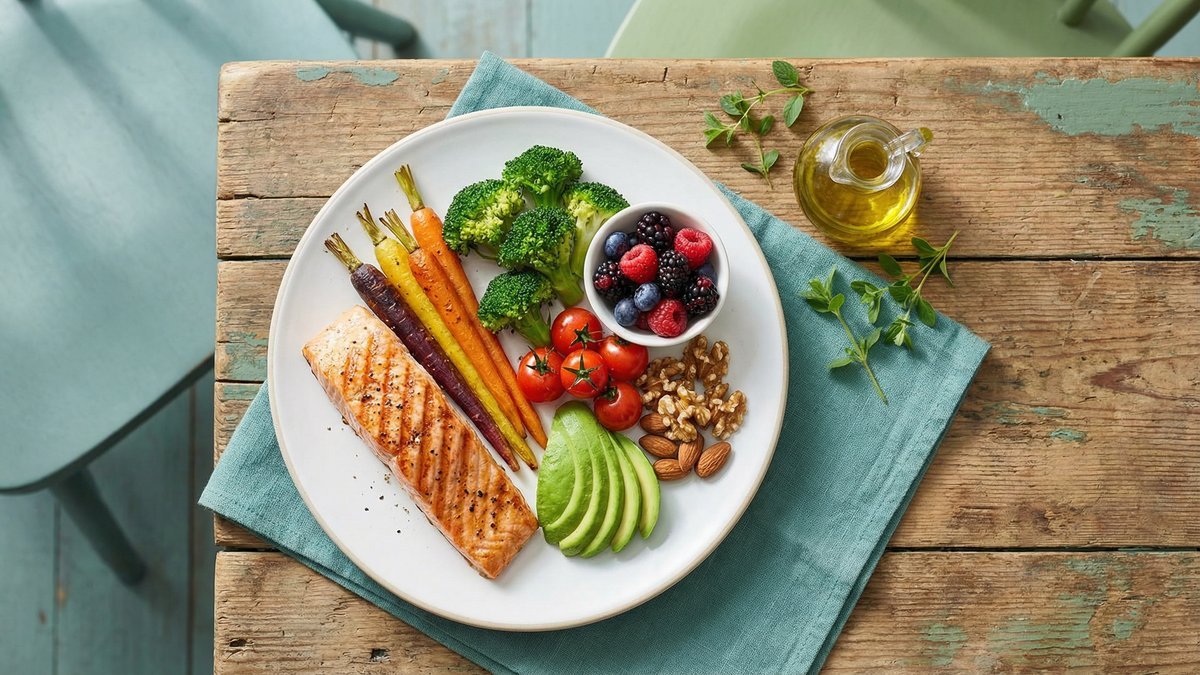
When you have diabetes, every meal is an opportunity to protect both your blood sugar and your heart. The dietary patterns most effective for cardiovascular protection are largely the same ones that improve glucose control — making a heart-healthy diet one of the most powerful tools in your diabetes management arsenal.

The Two Evidence-Based Dietary Patterns

FeatureMediterranean DietDASH Diet
Primary fat sourceOlive oilLow-fat dairy, nuts
Protein emphasisFish, legumes, moderate poultryLean meats, fish, legumes
Sodium restrictionModerateStrict (<2,300 mg/day)
Best forOverall CV risk reduction, HbA1cBlood pressure reduction

What to Eat More Of

Fatty fish (2+ servings per week): Salmon, mackerel, sardines, and herring are rich in EPA and DHA omega-3 fatty acids, which reduce triglycerides, lower blood pressure, and reduce inflammation.

Non-starchy vegetables (half your plate): Leafy greens, broccoli, peppers, courgette, and tomatoes are low in carbohydrates, high in fibre, and packed with potassium and antioxidants.

Legumes (3–4 servings per week): Lentils, chickpeas, kidney beans, and black beans are high in soluble fibre, which lowers LDL cholesterol and slows glucose absorption.

Nuts and seeds (a small handful daily): Almonds, walnuts, chia seeds, and flaxseeds provide heart-healthy unsaturated fats, fibre, and magnesium.

Olive oil (as primary cooking fat): Extra-virgin olive oil is rich in oleocanthal, a natural anti-inflammatory compound. The PREDIMED trial demonstrated a 30% reduction in major cardiovascular events with a Mediterranean diet supplemented with extra-virgin olive oil.

⚠️ Foods to Limit
  • Saturated fats: Red meat, full-fat dairy, butter raise LDL cholesterol
  • Trans fats: Found in some processed foods; strongly linked to heart disease
  • Refined carbohydrates: White bread, white rice, pastries spike blood glucose
  • High-sodium foods: Processed meats, tinned soups raise blood pressure
  • Sugary drinks: Soft drinks, fruit juices drive glucose spikes and weight gain
✅ Simple Heart-Healthy Swaps
  • White rice → Quinoa, barley, or cauliflower rice
  • Butter → Extra-virgin olive oil or avocado
  • Red meat (daily) → Salmon or lentils (3–4×/week)
  • Crisps / biscuits → A small handful of almonds or walnuts
  • Sugary drinks → Sparkling water with lemon or herbal tea
💡 Key Takeaway

A heart-healthy diet for diabetes is not about deprivation — it is about making consistent, informed choices that protect both your blood sugar and your cardiovascular system. Focus on adding more of the right foods rather than simply restricting. Small, sustainable changes accumulate into significant long-term cardiovascular protection.


Related articles