
See also: Diabetes Medications: a complete guide — our complete pillar guide.
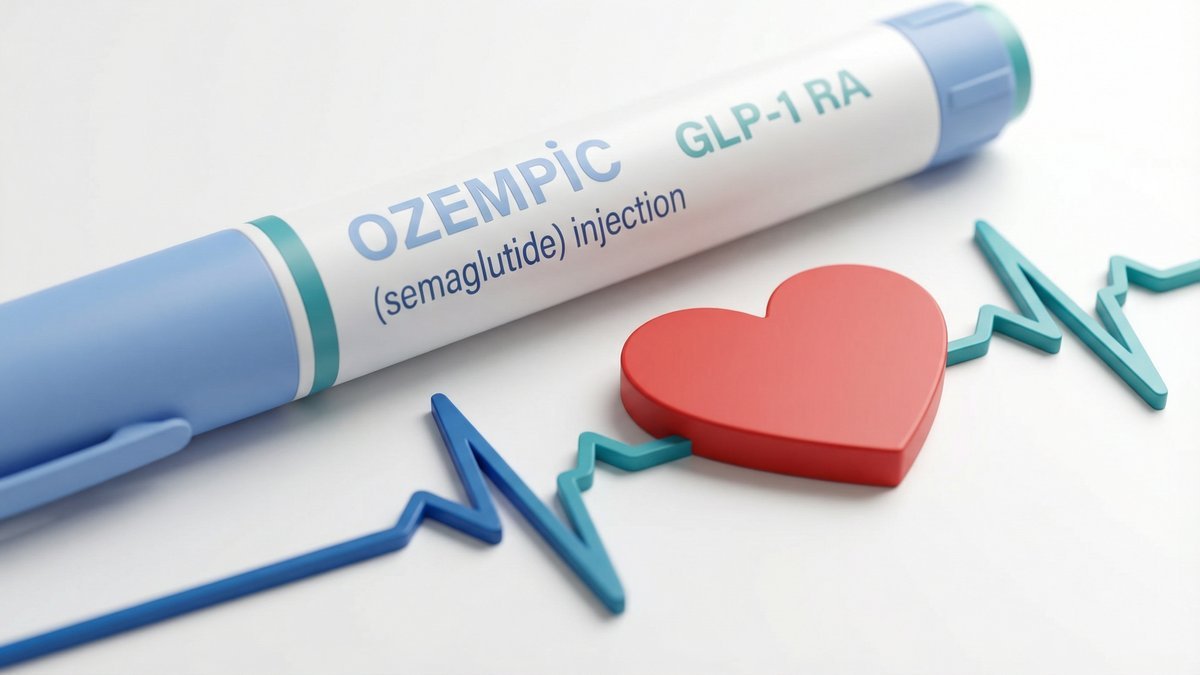
GLP-1 receptor agonists were originally developed to lower blood sugar. What researchers discovered in subsequent cardiovascular outcome trials was something far more significant: these medications actively protect the heart, reduce the risk of stroke, and lower cardiovascular mortality — benefits that extend well beyond glucose control.
The Landmark Cardiovascular Outcome Trials
| Trial | Drug | Key Finding | MACE Reduction |
|---|---|---|---|
| LEADER (2016) | Liraglutide | Reduced CV death, heart attack, stroke in T2D with high CV risk | 13% |
| SUSTAIN-6 (2016) | Semaglutide SC | Significant reduction in non-fatal stroke and heart attack | 26% |
| REWIND (2019) | Dulaglutide | CV benefit even in patients with lower baseline CV risk | 12% |
| SELECT (2023) | Semaglutide 2.4mg | CV benefit in obese/overweight patients without diabetes | 20% |
How Do GLP-1 Agonists Protect the Heart?
Anti-inflammatory effects: GLP-1 agonists reduce circulating levels of inflammatory cytokines, including C-reactive protein and interleukin-6, which are key drivers of atherosclerotic plaque development.
Blood pressure reduction: Clinical trials consistently show a reduction in systolic blood pressure of 2–6 mmHg, likely mediated through natriuresis and direct vasodilatory effects.
Weight loss: Significant weight reduction — particularly visceral fat — reduces the metabolic burden on the cardiovascular system. The SELECT trial demonstrated that even in non-diabetic patients, semaglutide’s weight-loss-driven cardiovascular benefit was clinically meaningful.
Direct myocardial protection: GLP-1 receptors are expressed on cardiac tissue. Activation promotes glucose uptake in the heart muscle, reduces oxidative stress, and inhibits cardiomyocyte apoptosis.
For adults with type 2 diabetes and established atherosclerotic cardiovascular disease, a GLP-1 receptor agonist with demonstrated cardiovascular benefit (semaglutide, liraglutide, or dulaglutide) is recommended as part of the treatment regimen, regardless of HbA1c or current glucose-lowering therapy.
GLP-1 receptor agonists represent one of the most significant advances in diabetes and cardiovascular medicine in recent decades. If you have type 2 diabetes and a history of heart disease or high cardiovascular risk, speak with your doctor about whether a GLP-1 agent with proven cardiovascular benefit is appropriate for you.
 English
  Arabic
  Spanish
  Urdu
Urdu