Type 2 diabetes is the most common form of diabetes, affecting around 90% of all people with the condition. It develops when the body becomes resistant to insulin or stops producing enough of it, causing blood glucose to rise.
Most people are diagnosed in adulthood, often after a routine blood test. Many have lived with raised glucose for years before symptoms appear.
What you’ll find in our complete guide
- Symptoms, risk factors, and who’s most at risk
- How type 2 diabetes is diagnosed (HbA1c, fasting glucose, OGTT)
- Diet and lifestyle treatment
- Modern medications — metformin, GLP-1 agonists, SGLT2 inhibitors
- When and how remission is possible
Latest articles on Type 2 Diabetes
Walking 10,000 Steps: Re-evaluating the Goal for Health and Diabetes Management: how exercise affects blood glucose, the right intensity and
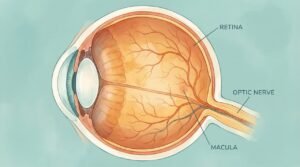
Diabetic Retinopathy: Essential Strategies for Vision Preservation: how diabetes affects vision, screening schedule recommended by the NHS Diabetic Eye.
Getting Started with Exercise and Diabetes: A Comprehensive Guide for Optimal Health: how exercise affects blood glucose, the right intensity
Diabetes and Depression: Breaking the Two-Way Cycle: how mental health and diabetes interact, evidence-based coping strategies, and when to seek
Best Diabetes Apps of 2025: Tools for Better Management: evidence-based guidance reviewed against current NICE and ADA recommendations. Practical.
Intermittent Fasting with Diabetes: What the Evidence Says: practical, NICE-aligned diabetes nutrition guidance — what the evidence shows, how to
Time in Range: The New Gold Standard for Diabetes Management: evidence-based guidance reviewed against current NICE and ADA recommendations. Practical.
Cold Weather and Diabetes: Protecting Your Health in Winter: evidence-based guidance reviewed against current NICE and ADA recommendations. Practical.
Newly Diagnosed with Diabetes: Your First 30 Days: evidence-based guidance reviewed against current NICE and ADA recommendations. Practical, plain-language.
Tirzepatide (Mounjaro): A Complete Guide: how it works, who it's used for, common side effects, and current NICE NG28 guidance.









 English
  Arabic
  Spanish
  Urdu
Urdu