
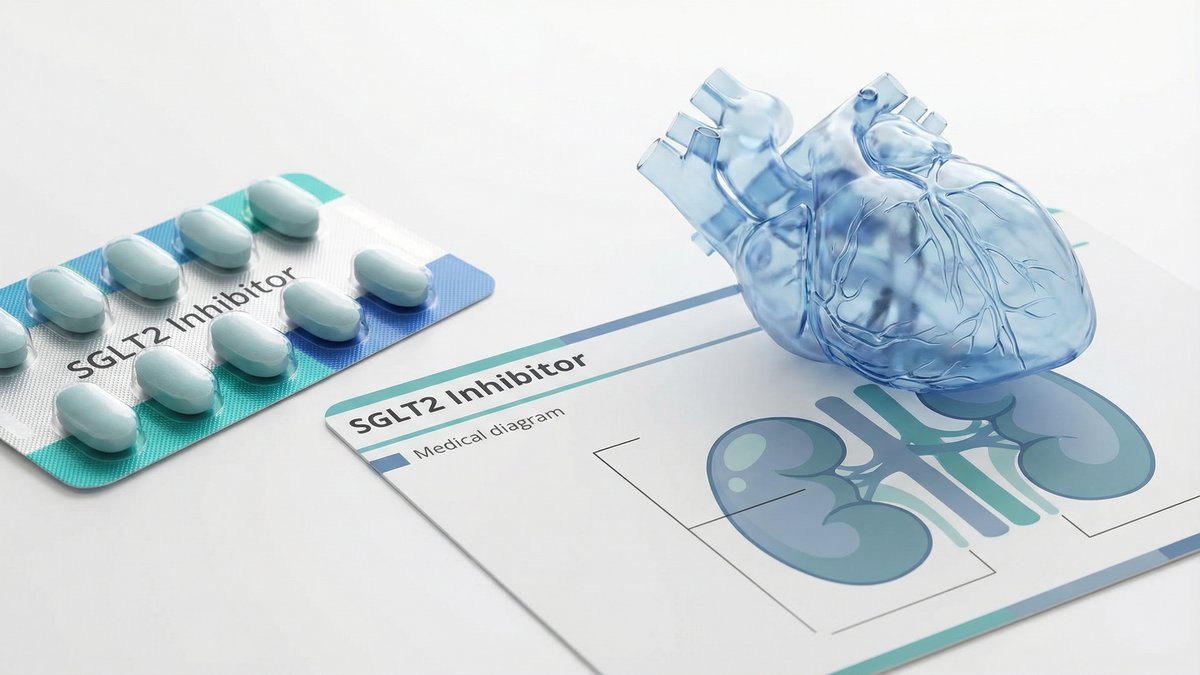
SGLT2 inhibitors represent one of the most transformative developments in diabetes medicine in the past decade. Originally approved as glucose-lowering agents, these medications have since demonstrated remarkable protective effects on the heart and kidneys — benefits so significant that they are now recommended for people with heart failure and chronic kidney disease even in the absence of diabetes.
How SGLT2 Inhibitors Work
Sodium-glucose cotransporter-2 (SGLT2) inhibitors work by blocking the SGLT2 protein in the kidney’s proximal tubule, which is responsible for reabsorbing approximately 90% of filtered glucose back into the bloodstream. By inhibiting this transporter, SGLT2 inhibitors cause the kidneys to excrete excess glucose in the urine — effectively lowering blood sugar without stimulating insulin secretion.
This mechanism also produces several secondary effects: a modest reduction in blood pressure (through osmotic diuresis and natriuresis), weight loss (due to caloric loss through glycosuria), and a reduction in intraglomerular pressure (which protects the kidneys from hyperfiltration damage).
The Landmark Cardiovascular and Renal Outcome Trials
| Trial | Drug | Key Finding |
|---|---|---|
| EMPA-REG OUTCOME (2015) | Empagliflozin | 38% reduction in CV death; 35% reduction in heart failure hospitalisation |
| CANVAS (2017) | Canagliflozin | 14% reduction in MACE; significant reduction in heart failure hospitalisation |
| DAPA-HF (2019) | Dapagliflozin | 26% reduction in worsening heart failure or CV death — in patients with and without diabetes |
| CREDENCE (2019) | Canagliflozin | 30% reduction in kidney failure, dialysis, or renal death in diabetic kidney disease |
- Genital mycotic infections: The most common side effect (increased glucose in urine promotes yeast growth). Good genital hygiene and prompt treatment if symptoms develop
- Diabetic ketoacidosis (DKA): Rare but serious, even with near-normal glucose levels. Sick day rules are essential — hold the medication during illness, surgery, or prolonged fasting
- Urinary tract infections: Slightly increased risk; stay well hydrated
- Volume depletion: Can cause dizziness, especially in elderly patients or those on diuretics
Who Should Consider an SGLT2 Inhibitor?
Current ADA and ESC guidelines recommend SGLT2 inhibitors with proven cardiovascular benefit as a preferred add-on therapy for people with type 2 diabetes who have established cardiovascular disease, heart failure, or chronic kidney disease — independent of HbA1c. They are now also approved for heart failure and chronic kidney disease in patients without diabetes.
SGLT2 inhibitors are no longer just glucose-lowering drugs — they are cardioprotective and nephroprotective agents with a robust evidence base. If you have type 2 diabetes with heart disease, heart failure, or kidney disease, speak with your doctor about whether an SGLT2 inhibitor is appropriate for you.
 English
  Arabic
  Spanish
  Urdu
Urdu